

Art as a Sonic Revolution: Antonini & Contini’s (R)EVOLUTION at Udin&Jazz 2025

Corte di Palazzo Morpurgo, Udine – July 17, 2025
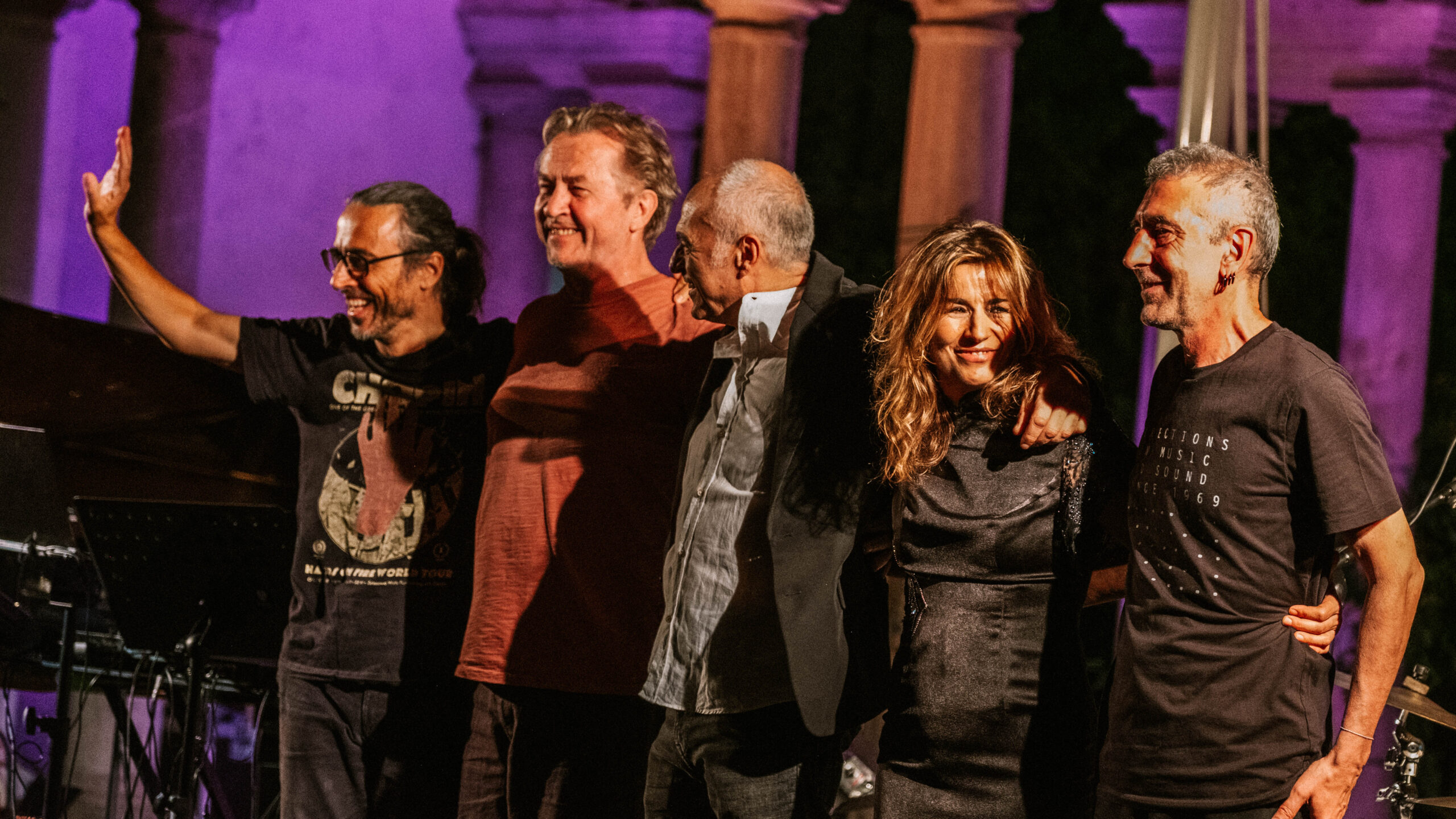
Can art change the world? Can music spark revolution? These timeless questions echoed through the courtyard of Palazzo Morpurgo during a powerful performance by Italian vocalists Elisabetta Antonini and Alessandro Contini — part of this year’s Udin&Jazz Festival 2025. With their latest project, (R)EVOLUTION, the duo explored the transformative power of art as resistance, paying homage to cultural revolutionaries like Fela Kuti, Pina Bausch, Sebastião Salgado, Dino Buzzati, Charles Bukowski, and David Sylvian.
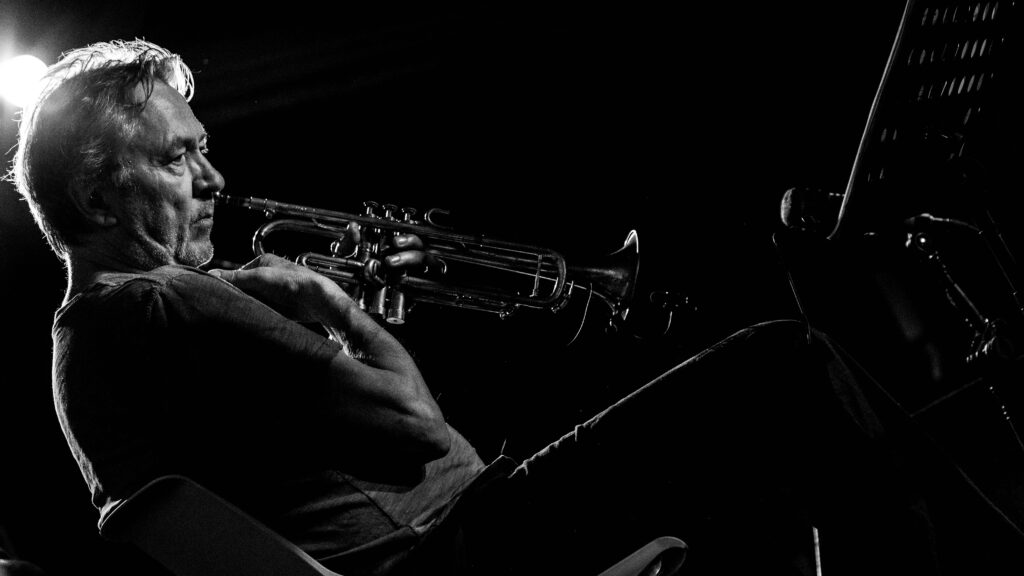
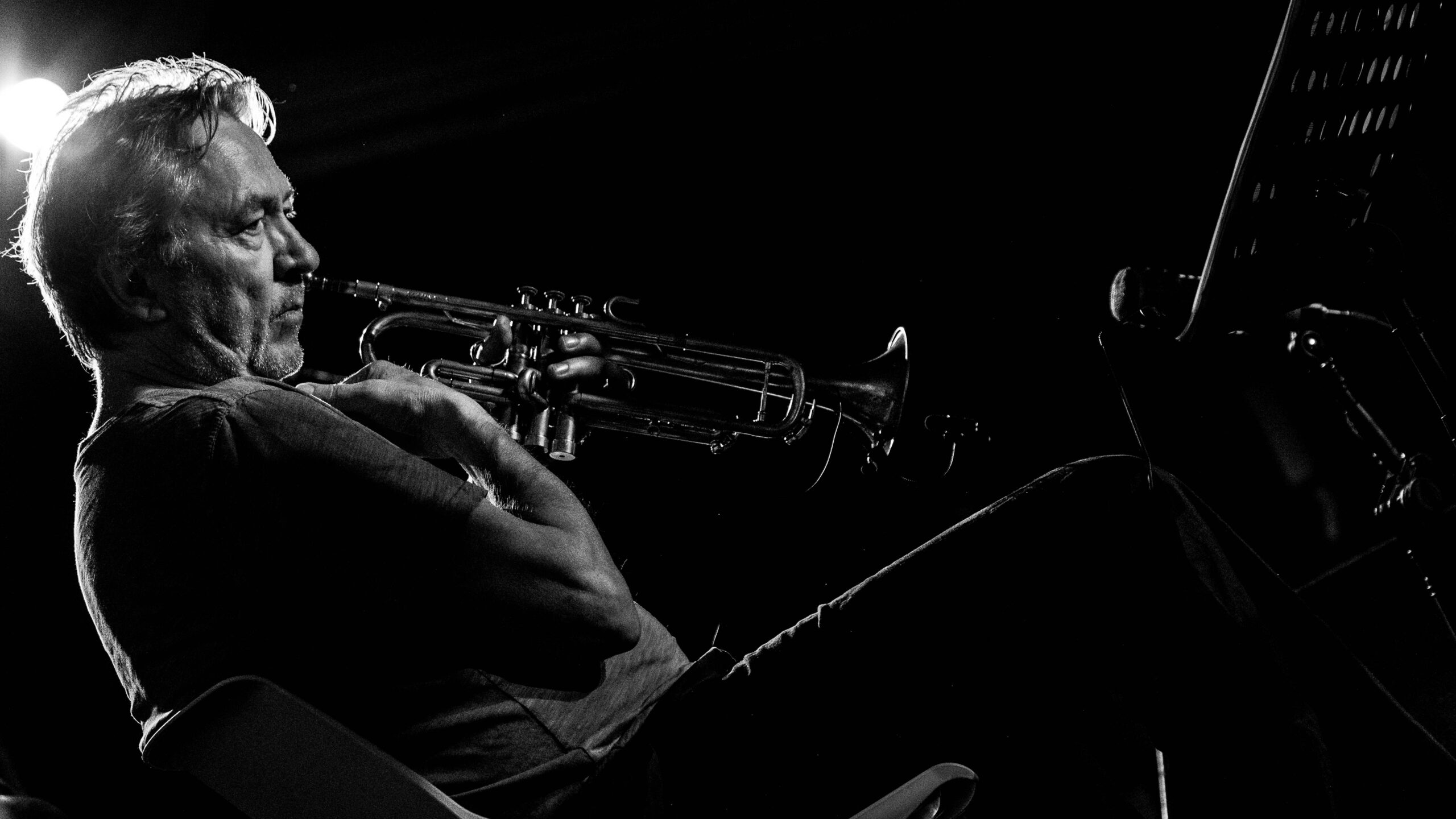
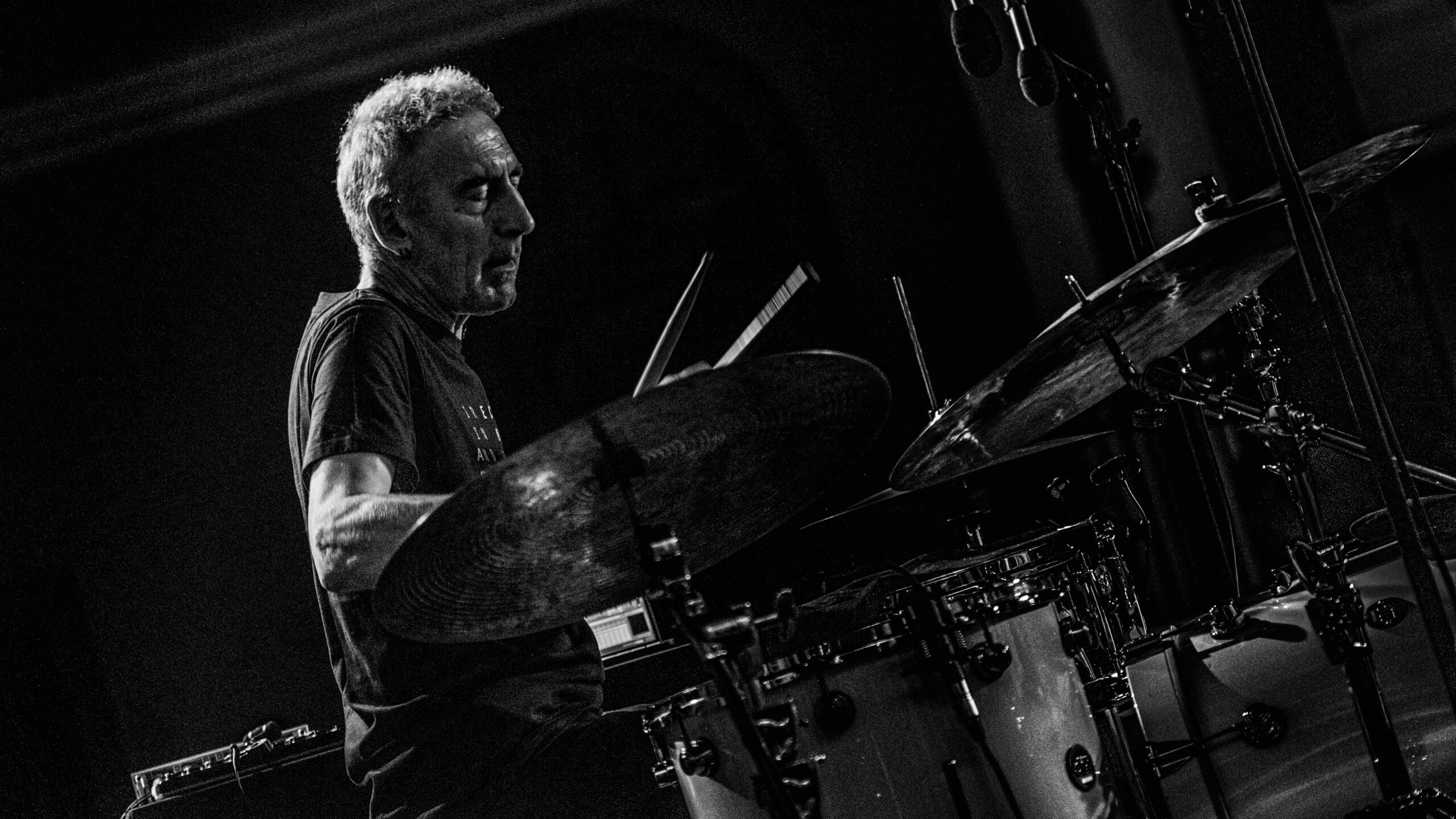
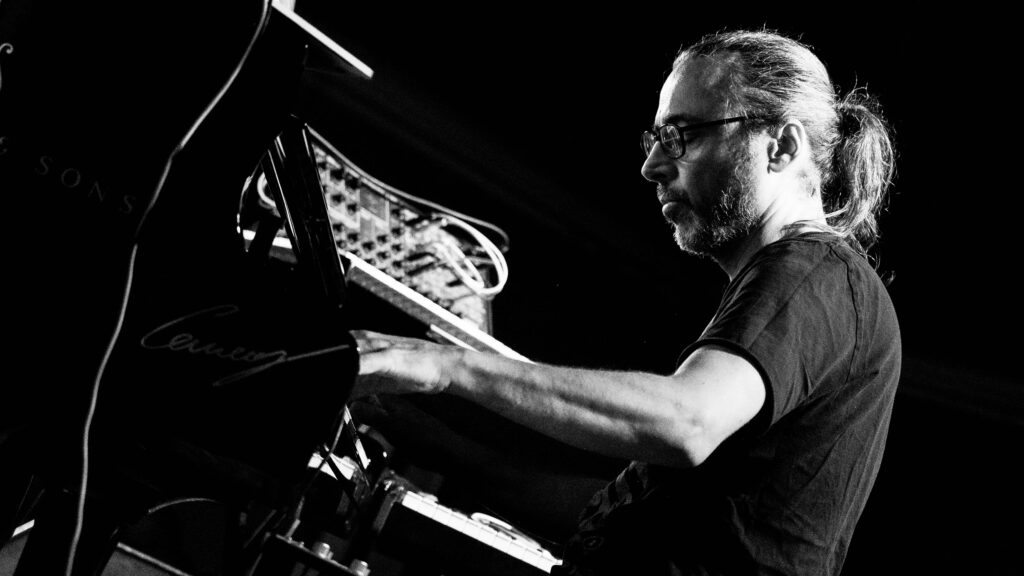
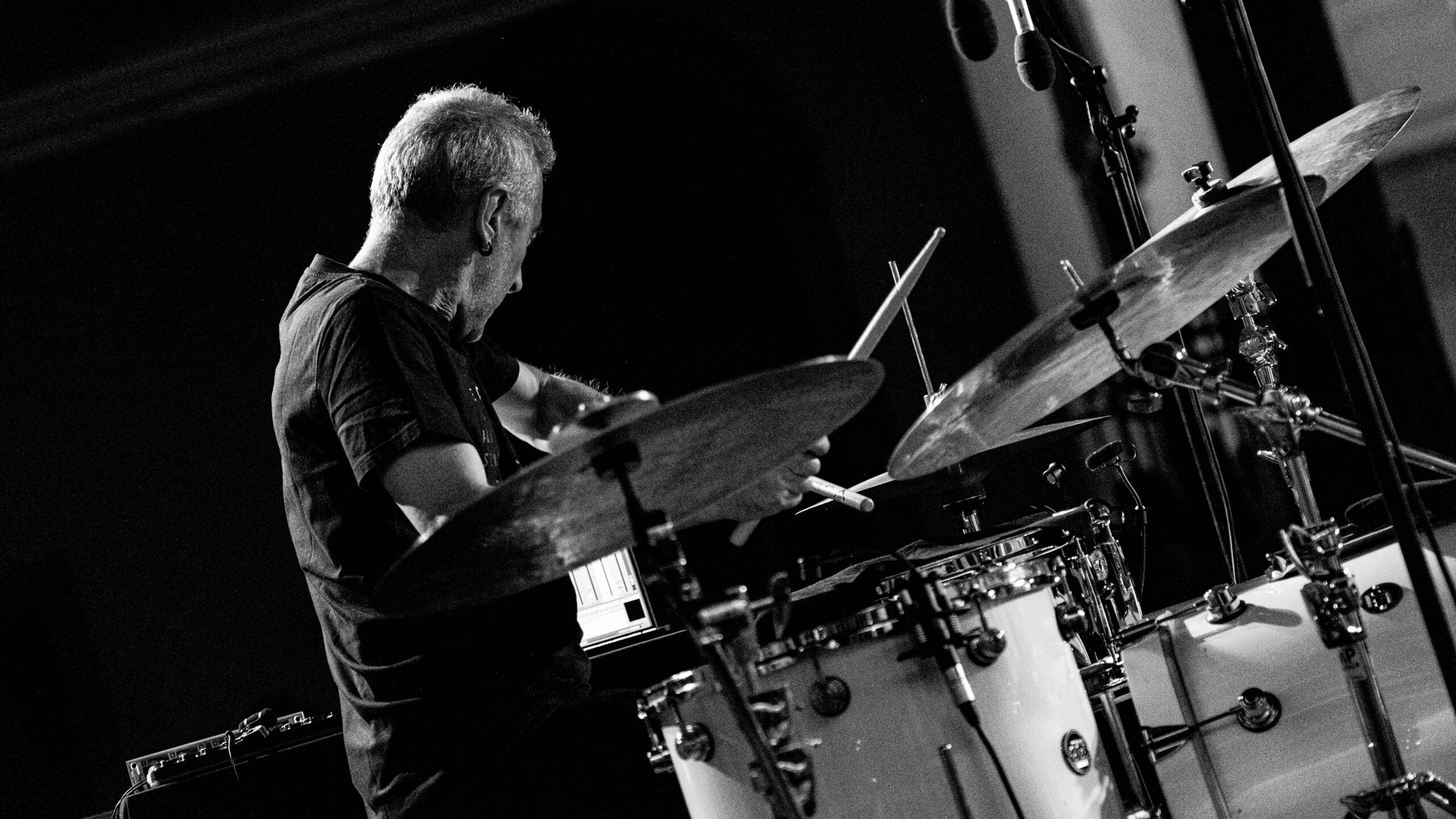
Joined by Alessandro Gwis (piano, electronics), Michele Rabbia (drums, percussion, electronics), and special guest Nils Petter Molvær — the Norwegian trumpet icon of future jazz — the ensemble delivered a performance that fused ambient textures, improvisation, electronics, and lyrical narratives into one immersive experience.
Sound as Resistance
The concert opened with a projected video featuring images of the artists that inspired (R)EVOLUTION, closing with the statement: Art is revolution. From the first notes, the tone was set — Molvær introduced his signature trumpet sound as Rabbia layered subtle percussion, ushering in a journey through sonic homage and creative resistance.
The group’s integration of electronics was especially notable. While some elements were pre-programmed, much of the electronic texture was crafted live in real time — looped, processed, and manipulated to serve the musical narrative. This live manipulation added depth and spontaneity throughout the evening.

Voices as Instruments
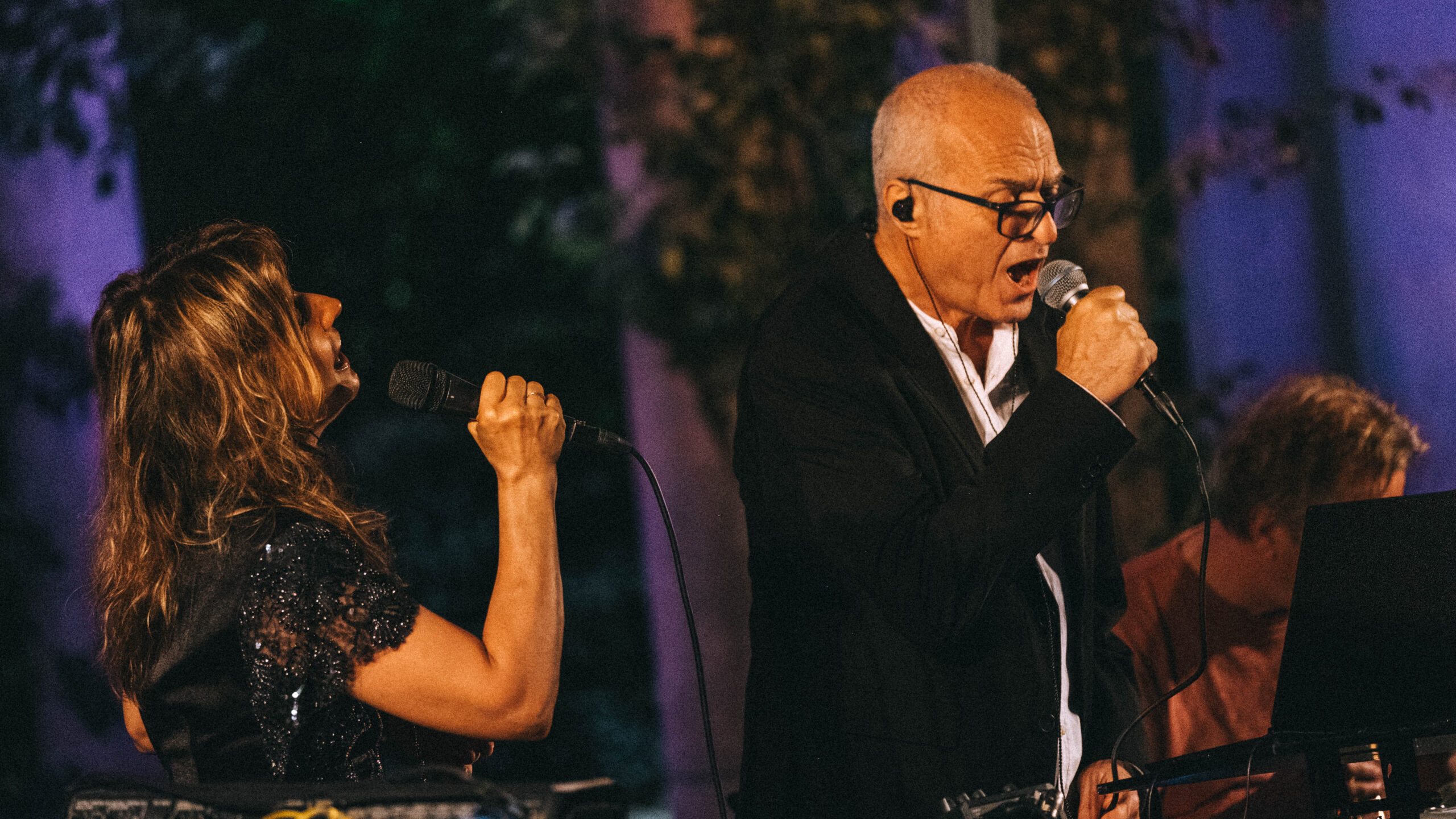
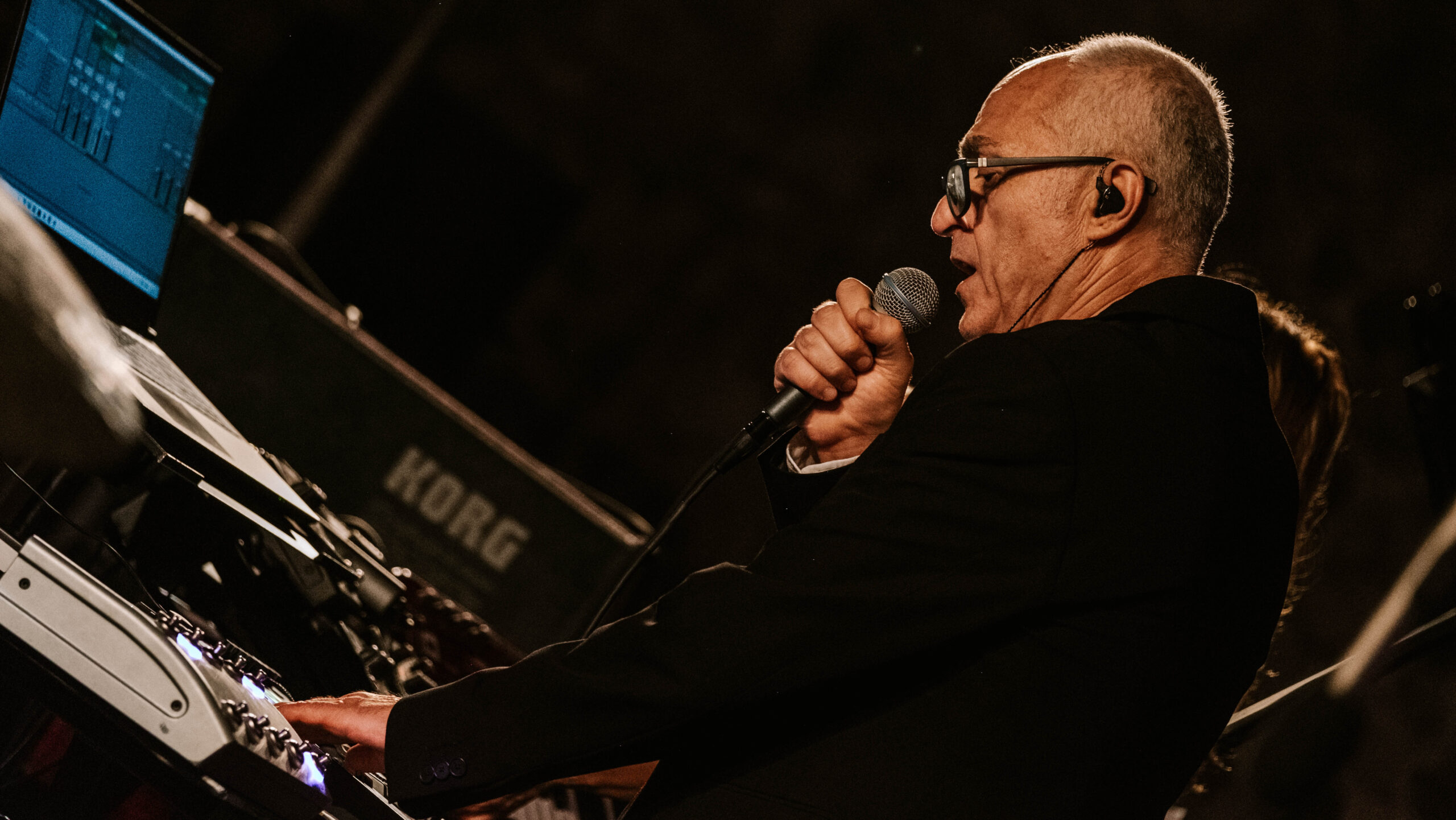
Contini opened the first piece, Gemini — also the album’s opener — by looping his voice to create a drone-like foundation. Molvær responded with minimalist, spacious phrasing, while Antonini layered wordless vocalizations. Rabbia and Gwis gradually built a groove until it collapsed into a quiet vocal harmony between Antonini and Contini. This seamless blend of improvisation, poetry, and electronic texture was a throughline for the performance.
Sebastiao, dedicated to Brazilian photographer Sebastião Salgado, began with a groove made from looped breath sounds. The lyrics, penned by British writer Michael Rosen, wove naturally into the soundscape, enhanced by Molvær’s ability to find space without crowding the atmosphere. Rabbia’s dynamic drumming and Gwis’ low-end piano voicings grounded the piece, allowing the vocals to float freely. The line “the elegance of life” looped in canon — a hypnotic, mantra-like moment.
As Antonini gave a brief introduction to (R)EVOLUTION), they moved into For Fela, a tribute to the father of Afrobeat and political activismt. Gwis opened with a swirling analog synth line, followed by Antonini’s harmonized vocalizations that led into a groove built around a Rhodes riff. The vocals, sung in clear harmony, carried Fela’s spirit with clarity and intent. Gwis added a concise piano and Rhodes solo over an Afrobeat-inspired beat, supported by Rabbia’s layered percussion. The piece closed with Fela Kuti’s voice resonating through the courtyard: “Music is for revolution.”
Between Poetry and Improvisation
A cover of David Sylvian’s Nostalgia followed, with Molvær’s octave-processed trumpet answering Antonini and Contini’s interlocking vocals. Rabbia added bell-like sounds and then transitioned to brushes for a trumpet solo that filled the quiet beauty of the historic venue.
In I Now Recall, with lyrics by Rosen and Antonini on lead vocals, Gwis delivered a melodic piano solo supported by Rabbia’s crisp and creative percussion. The piece balanced lyricism and rhythm, again relying on vocal and instrumental interplay.
The haunting adaptation of Charles Bukowski’s Bluebird was introduced by Molvær’s cinematic solo trumpet introduction, setting a brooding tone. The poem was first recited in Bukowski’s own voice before the group transitioned into a musical setting of Rosen’s adaptation. Antonini’s processed vocal solo sounded almost like a synth — another moment where voice and technology blurred.
Suite for Pina Bausch brought a welcome lift in tempo, driven by Rabbia’s precision cymbal work. Antonini and Contini exchanged verses while Molvær delivered yet another stunning solo, capturing the choreographic pulse of Bausch’s movement. The track ended with a drum solo over a percussive vocal loop — an energizing close to the main set.
“I Am Not Afraid of Not Being Afraid”
The evening concluded with Damned Old Moon — possibly another nod to Bukowski — and Paradox, the only piece with lyrics by Antonini herself. Anchored by a four-on-the-floor pulse and thick electronics, the repeated line “I am not afraid of not being afraid” brought the concept of (R)EVOLUTION full circle. Each artist they had honored throughout the concert — from Bukowski to Bausch — embodied this fearless commitment to change through creativity.
Antonini and Contini’s (R)EVOLUTION was a bold and thoughtful meditation on the role of art as activism. It offered an evening rich with improvisation, sonic layering, and conceptual clarity — a performance that stretched beyond genre while honoring the structures of jazz, ambient, and experimental music.
Once again, Udin&Jazz proved itself unafraid to include genre-defying projects in its programming. And the full house at Corte di Palazzo Morpurgo confirmed that there’s an audience ready to follow them on that journey. With Generations as this year’s festival theme, the evening felt like a meeting point of past and future, where fearless sound met fearless vision.
For more info about the project (R)EVOLUTION visit elisabettaantonini.com.
Enjoyed this review? You can check out more of our concert reviews for deeper dives into the performances that move us.
Comments are closed.