

BEATrio
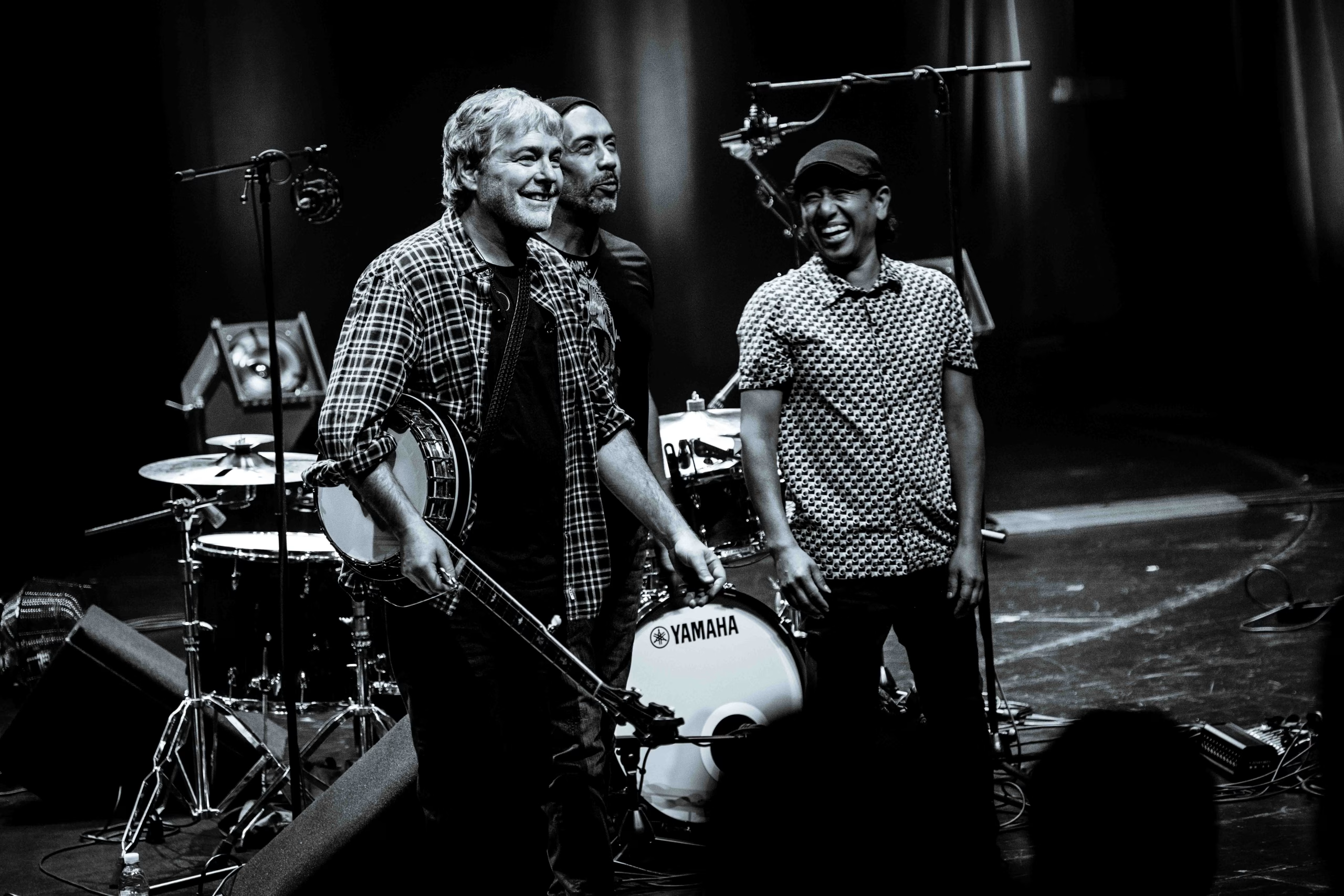
Béla Fleck | Edmar Castañeda | Antonio Sánchez
Cankarjev dom, Linhart Hall – February 3, 2026
With 19 Grammys, banjo pioneer Béla Fleck lands in Ljubljana with a trio of pure virtuosity. His accomplices? Drum icon Antonio Sánchez, whose polyrhythmic genius fueled the Pat Metheny Group for 18 years, and Colombian force of nature Edmar Castañeda, the musician who boldly planted the jazz harp flag alongside greats like Wynton Marsalis. Banjo, harp, drums—prepare for a genre-shattering dialogue. Together, these three masters promise an evening of breathtaking improvisation and genre-defying dialogue, a concert that witnesses not just a performance, but the unfolding of a new chapter in acoustic music.
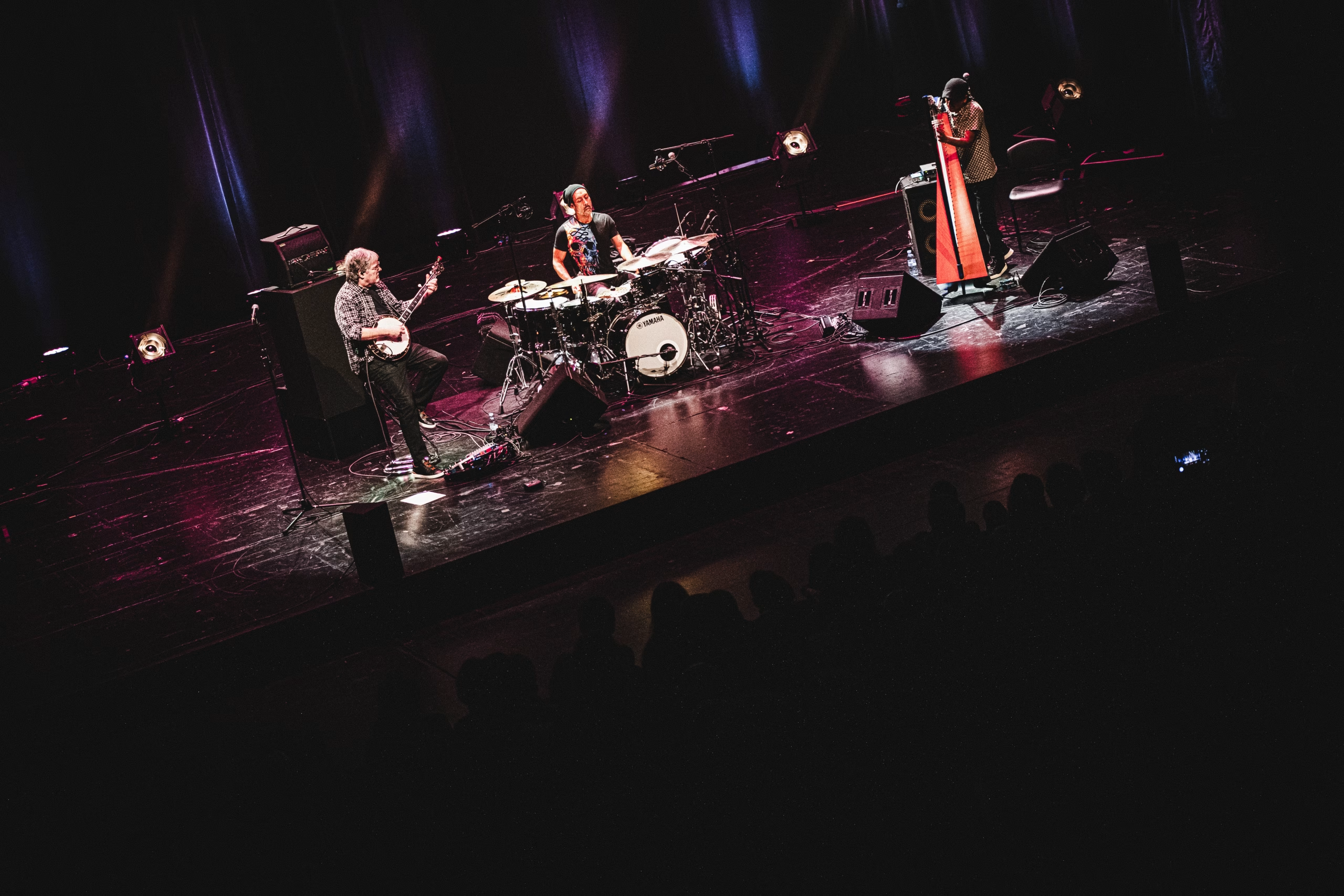
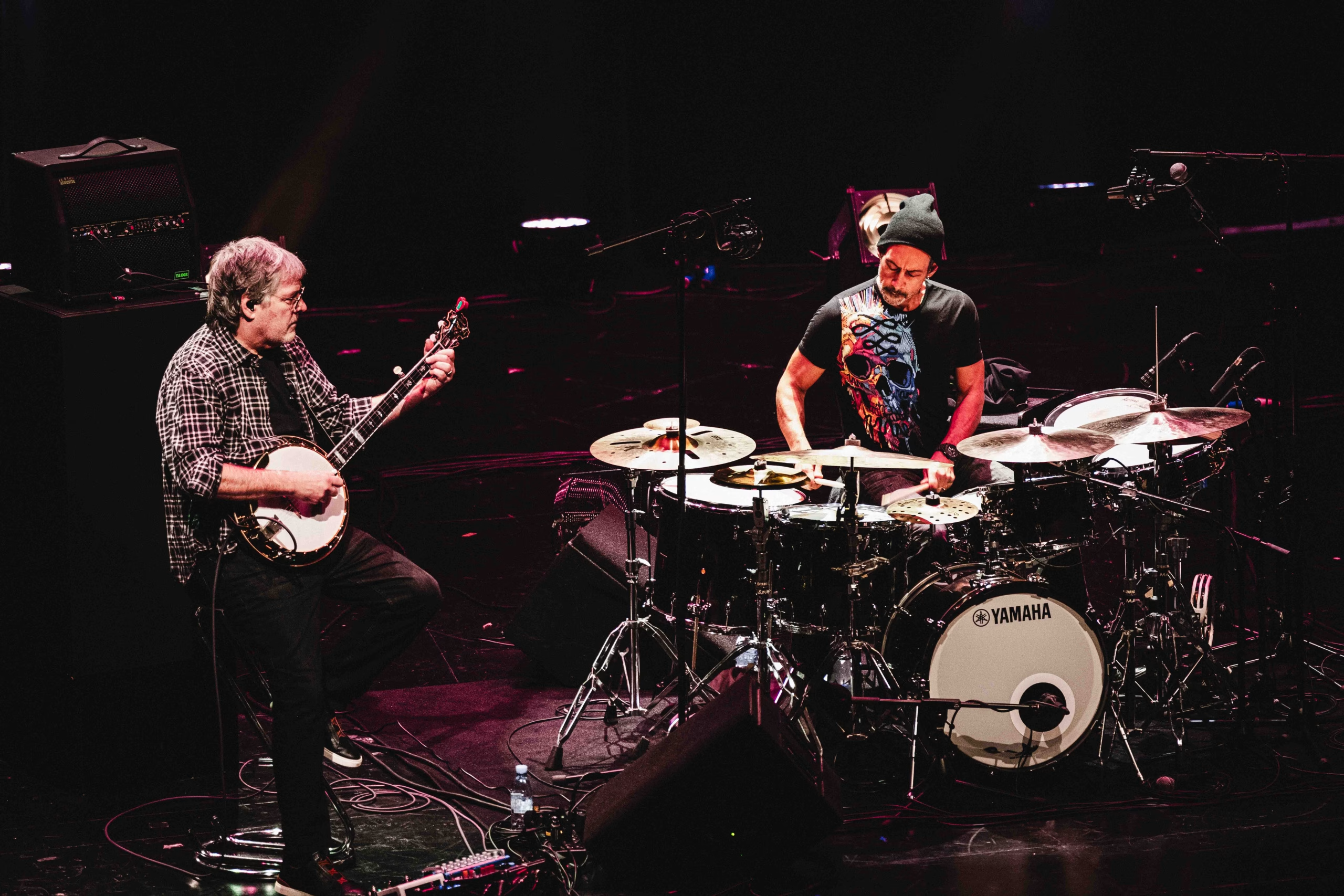
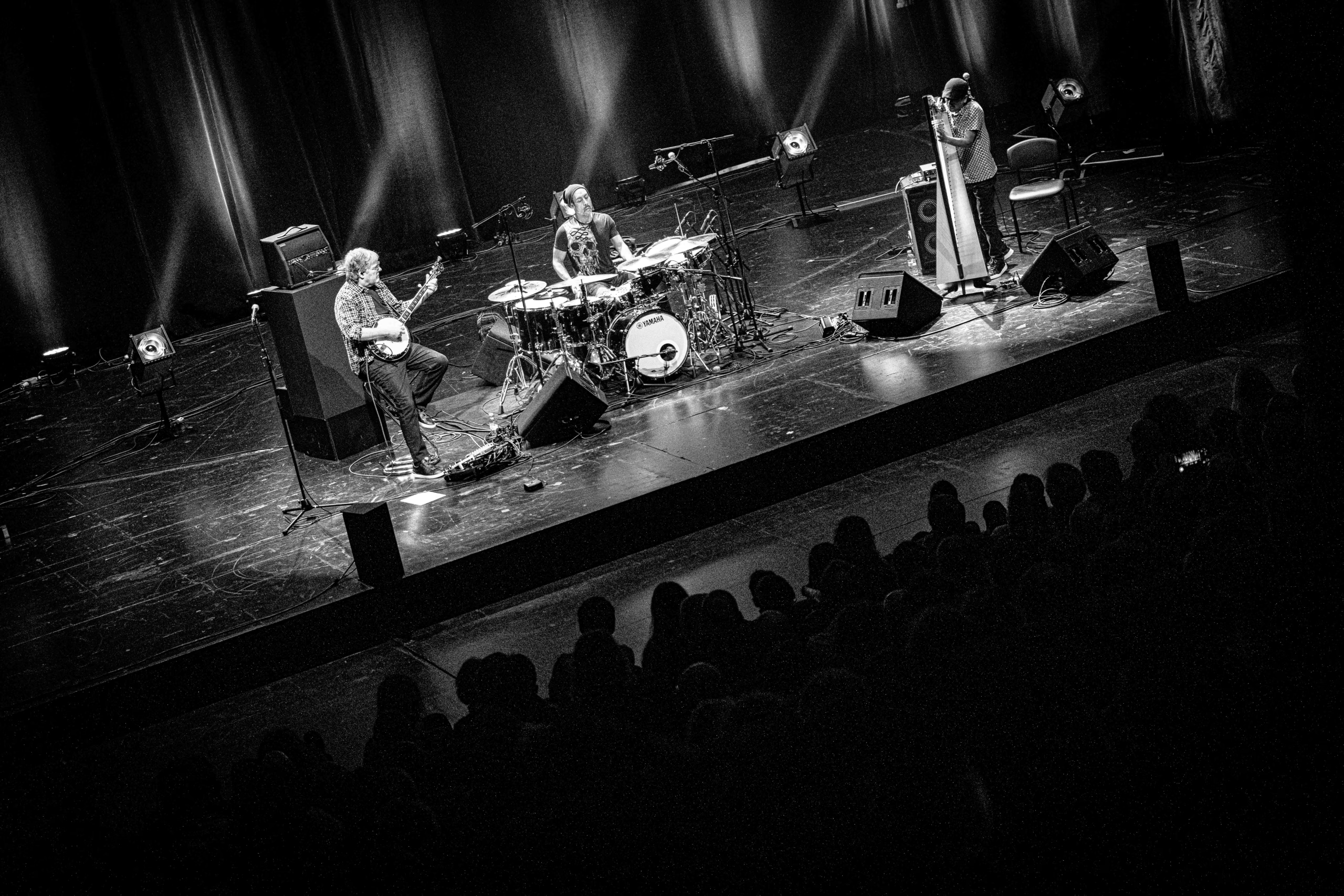
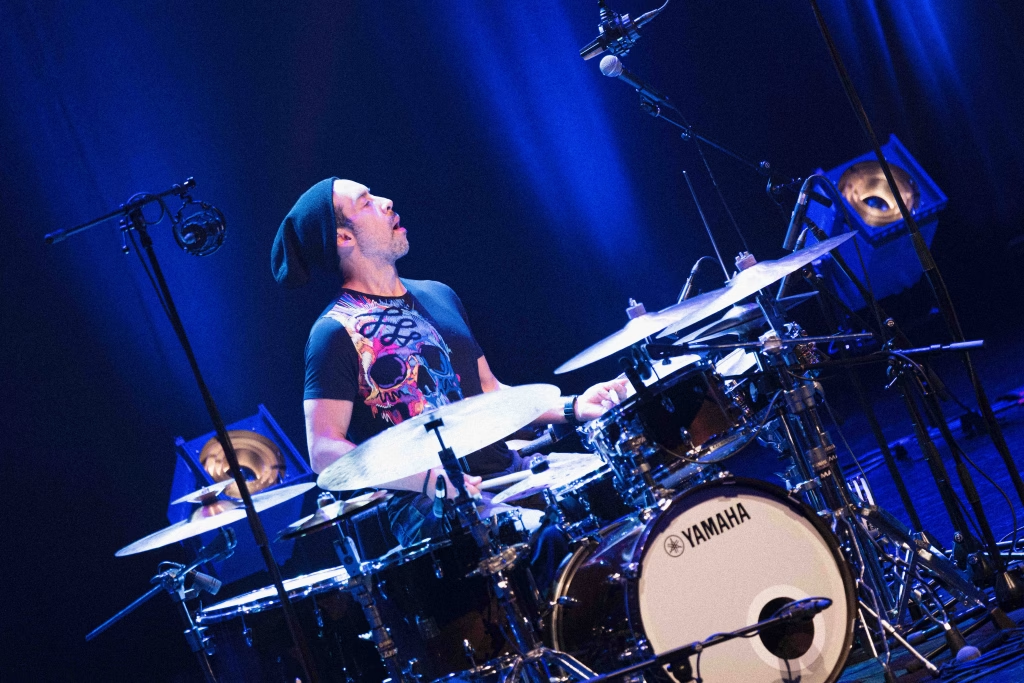
The sold-out BEATrio concert at Cankarjev dom exceeded the capacity of the usual Cankarjevi torki club setting, prompting a move to the larger Linhart Hall. While the shift may have felt unexpected for a regular Tuesday concert, it quickly became clear why the demand was so high. As Béla Fleck (banjo), Edmar Castañeda (harp), and Antonio Sánchez (drums) took the stage, any doubts vanished. What followed was nearly two hours of focused, collaborative music-making that affirmed BEATrio not as a novelty project, but as a fully realized band. All three musicians are virtuosos in their own right, yet the concert never leaned on individual display alone. Instead, the emphasis remained on companionship, attentive listening, and shared musical purpose. Drawing primarily from their 2025 album BEATrio, the trio demonstrated how an unconventional instrumentation can form a coherent and expressive musical language when guided by humility, mutual respect, and genuine friendship.
Establishing the Sound: Archipelago and Pellucidar
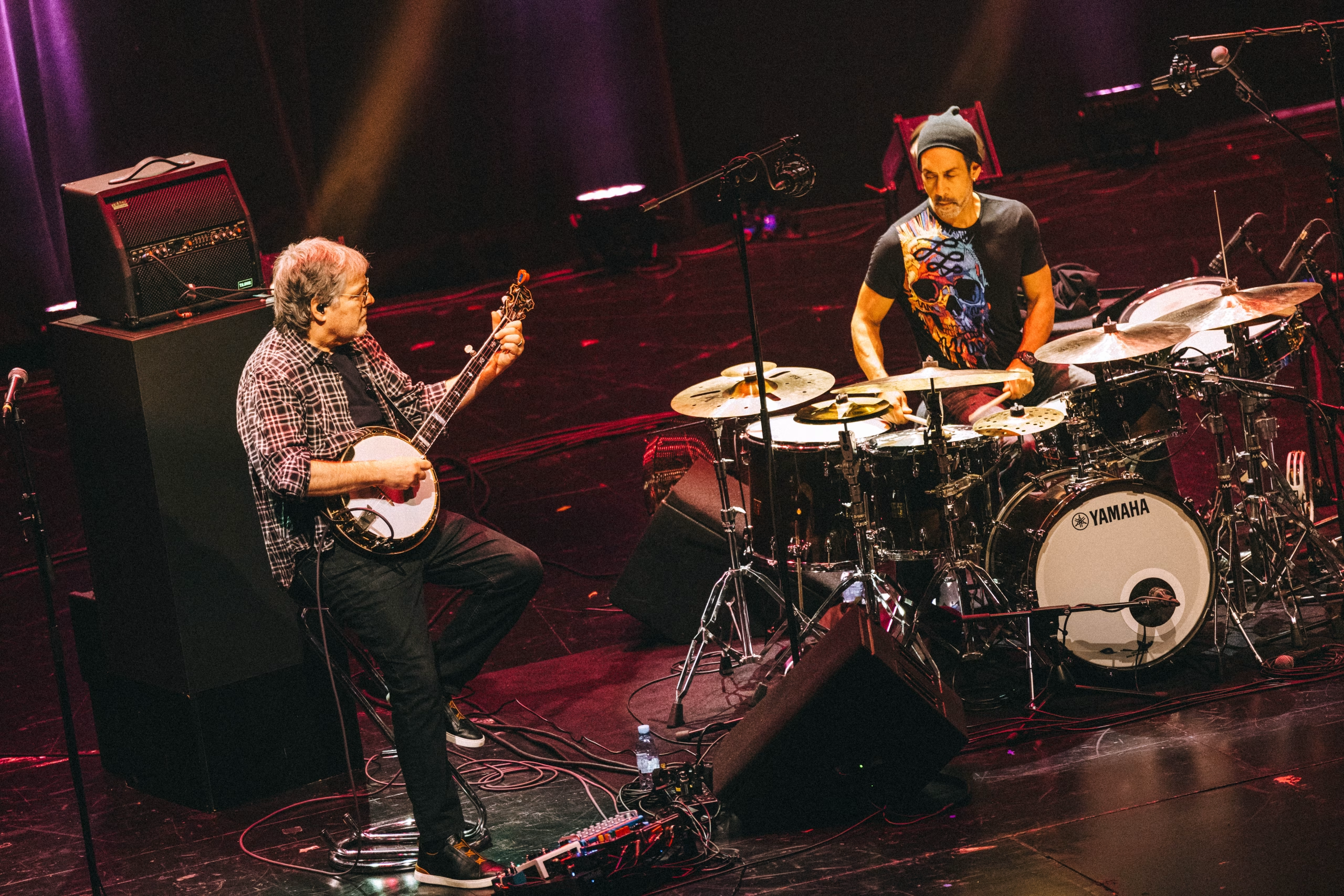
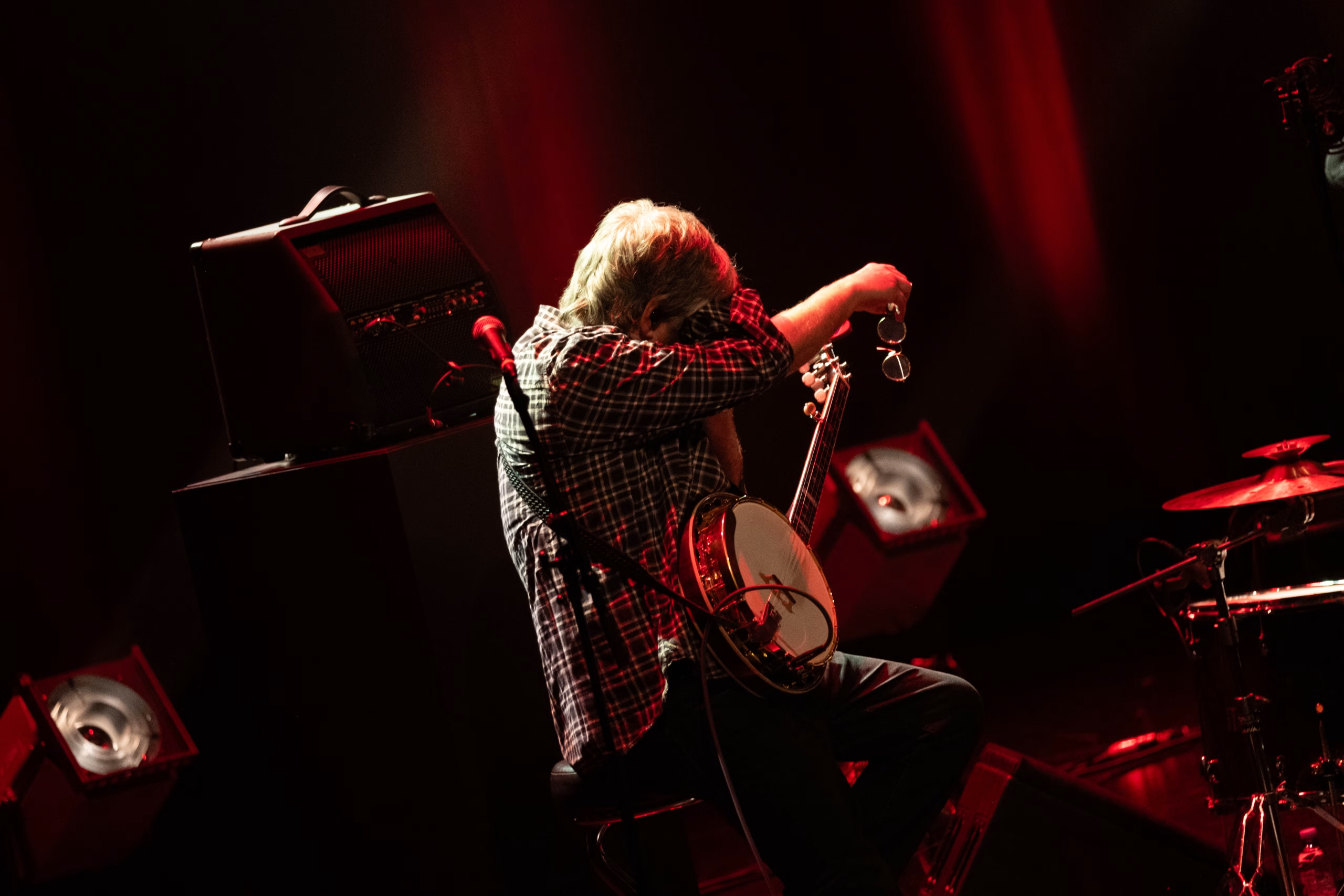
The concert opened with Archipelago, the album’s first track. Castañeda’s gentle harp introduction set the tone, soon joined by Fleck’s banjo and Sánchez’s fluid groove. It immediately became apparent that the harp carried much of the bass function, with Castañeda seamlessly combining comping and low-end grounding. Sánchez, fully attuned to the acoustic nature of the banjo and harp, adjusted his touch and dynamics with remarkable sensitivity, flowing effortlessly around the trio’s collective sound.
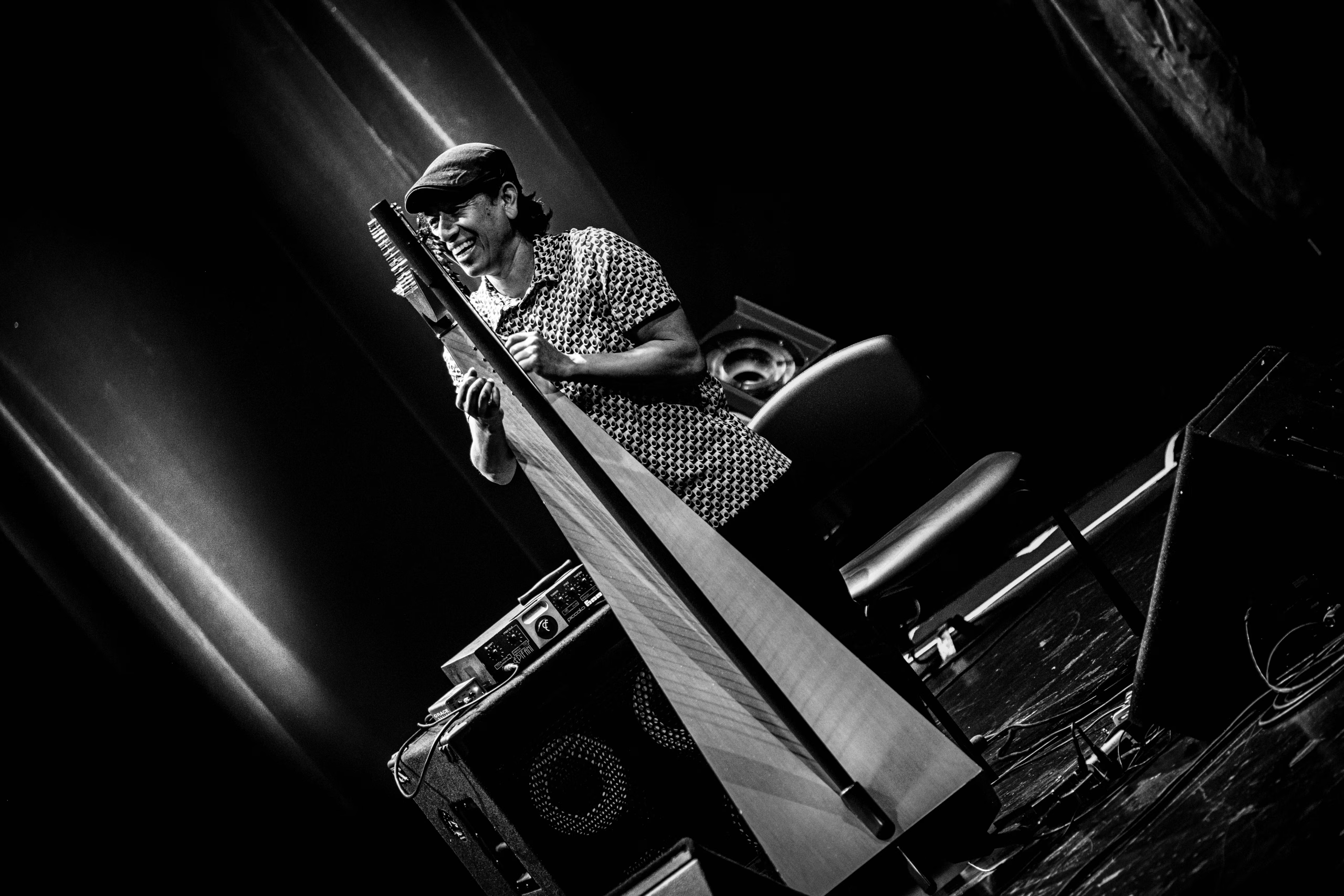
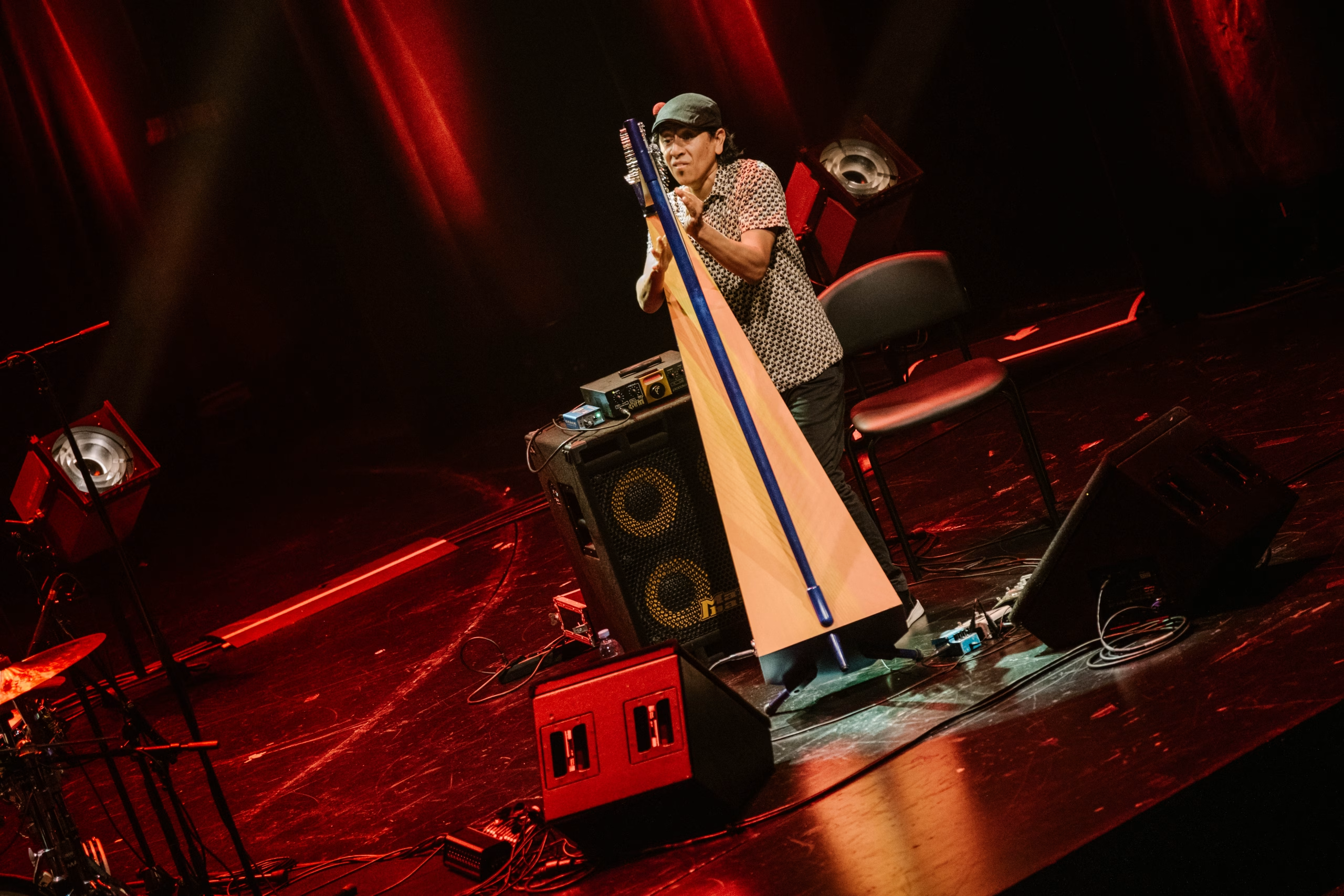
Fleck’s opening solo highlighted his refined command of the banjo as a melodic instrument, followed by a harp solo that surprised much of the audience. Castañeda pushed the expressive and technical boundaries of the harp, expanding its role far beyond traditional expectations.
A strong drum fill led directly into Pellucidar.
Fleck and Castañeda navigated unison lines with ease, locking tightly into a distinctive 9/4 riff that provided a contrasting framework for improvisation. Fleck’s signature blend of single-note lines and traditional banjo arpeggios unfolded with patience and clarity, proving once again how he can build long, engaging solos despite the instrument’s dynamic limitations. Castañeda followed with a freer approach, exploring the full register, color, and texture of the harp—at moments even incorporating octave effects—before Sánchez delivered his first solo of the evening. His melodic conception of drumming, combined with a strong groove and impeccable time feel, underlined why he remains one of the most sought-after drummers in contemporary music.
Individual Voices, Collective Identity
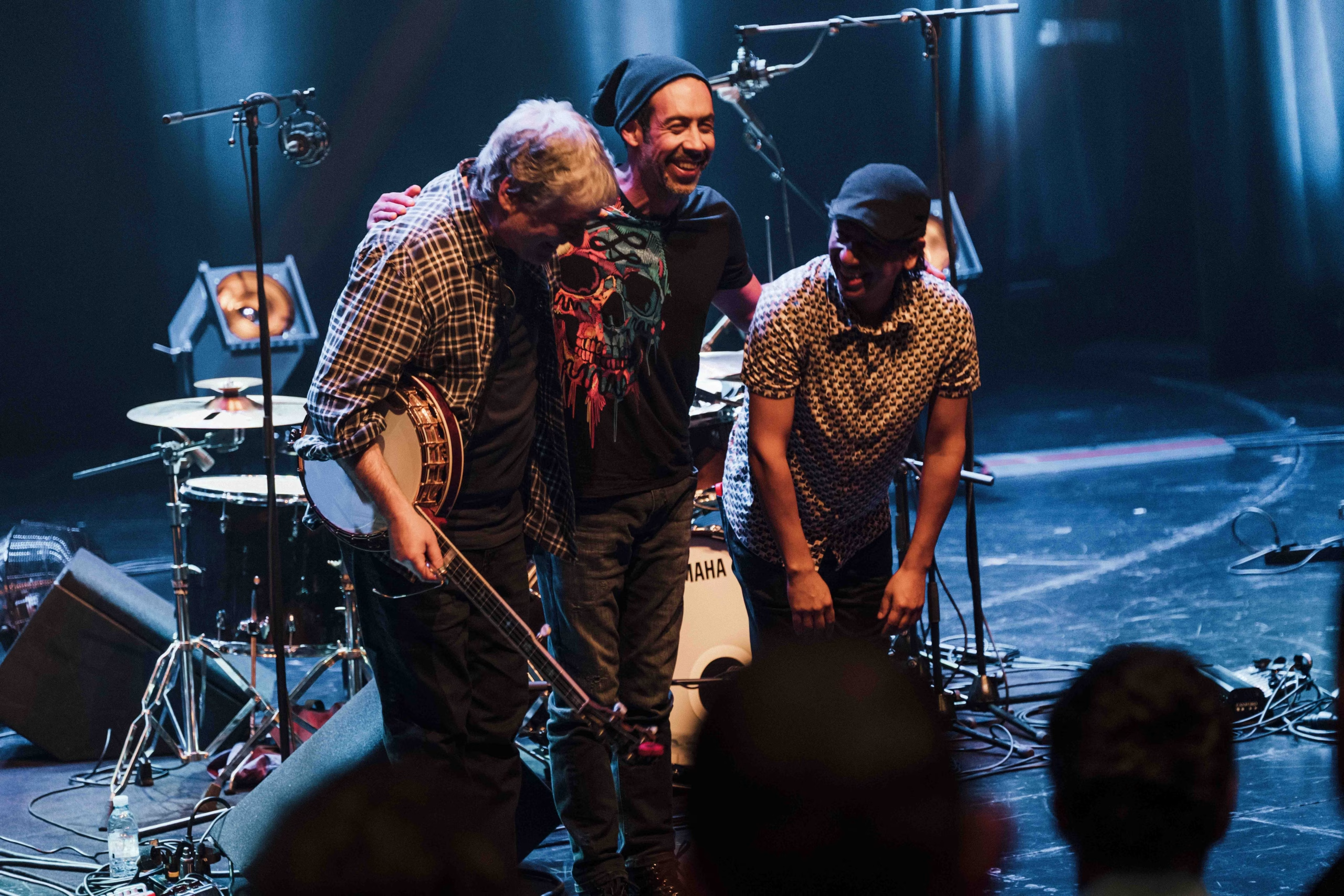
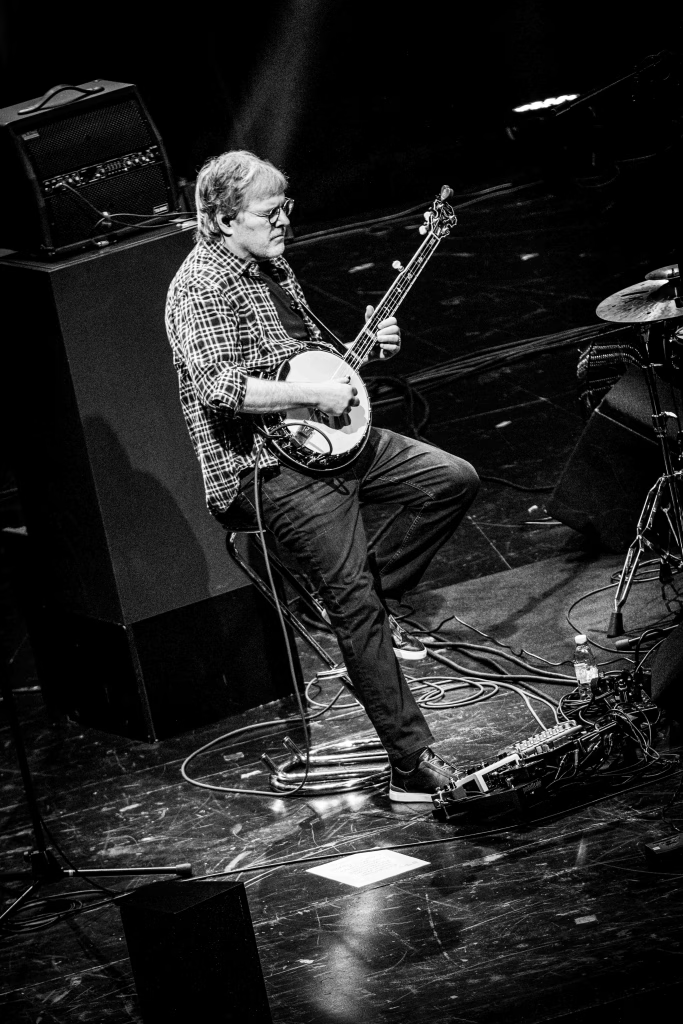
Before Throw Down Your Heart, Fleck offered a long solo introduction, revisiting his 2008 composition connected to his exploration of the banjo’s African roots. The trio then took time to address the audience, introducing themselves and sharing insights into their collaborative process. Sánchez spoke first, presenting his composition Kaleidoscope. He remarked that while they might appear to be “the world’s most unlikely band,” BEATrio operates democratically, with each member contributing compositions that evolve collectively through playing. His solo drum introduction served as a reminder that he could easily sustain an entire performance alone—something audiences may recall from his acclaimed solo work on Alejandro González Iñárritu’s Birdman soundtrack.
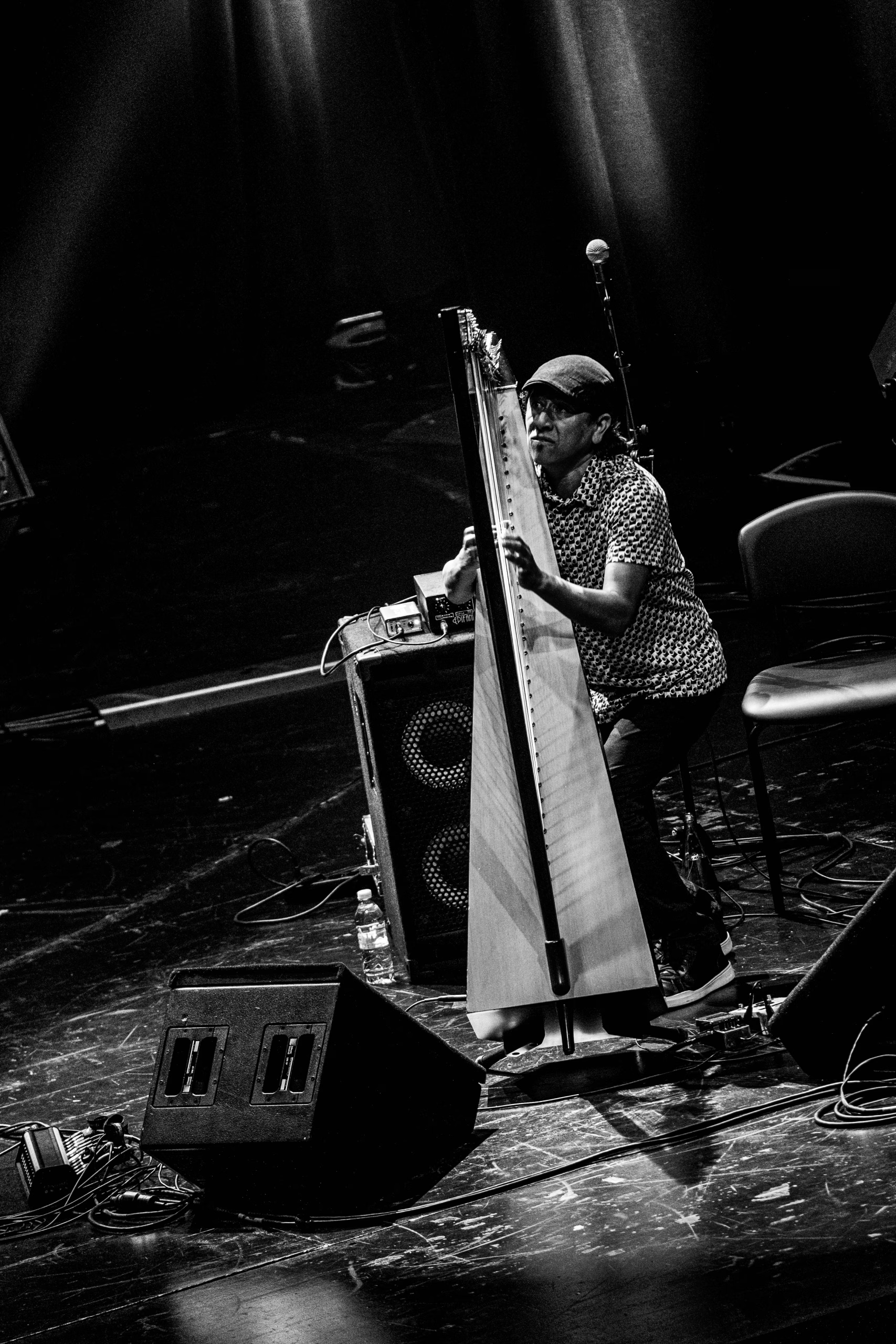
Castañeda then introduced Whisper of Resilience, sharing a deeply personal story. After breaking his right arm in 2019, he faced the fear that he might never play again, along with uncertainty about his future as an artist and provider for his family. Out of that vulnerable period came this poignant ballad. The piece felt suspended in time, its lyrical melody and soulful performance revealing a tender, introspective side of the trio and adding emotional depth to the evening.
Rhythm, Humor, and Genre-Free Joy
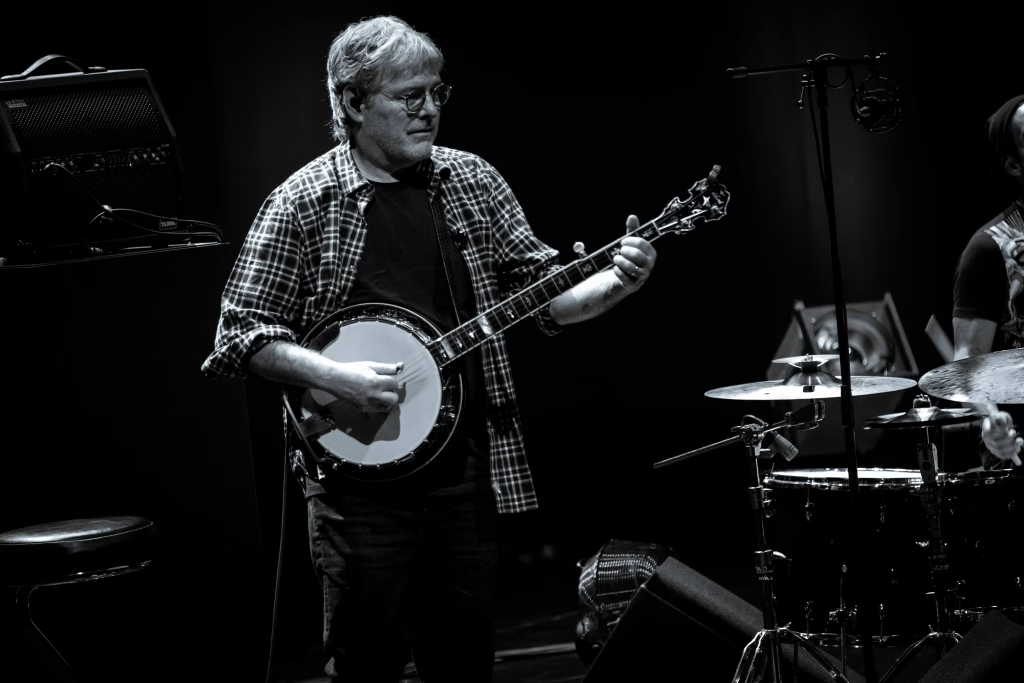
On Hooligan Harbour, the trio leaned strongly into rhythm. At moments, it felt as though all three approached their instruments as percussion instruments—an idea Fleck has mentioned in interviews regarding the banjo. The resulting collective improvisation created a richly textured rhythmic landscape. The band’s sense of humor surfaced briefly when Fleck quoted the Star-Spangled Banner intertwined with the Imperial March from Star Wars. The audience’s laughter carried a subtle edge, echoing Sánchez’s earlier comments about democracy.
Still, Walnut and Western quickly restored a lighter mood, reaffirming the trio’s belief in music’s power to soften difficult times. Introducing the final piece of the main set, Fleck joked about attempting to write a tango for the band. To Castañeda it sounded like a cha-cha; to Sánchez, something else entirely; and to audiences, often a samba. The anecdote captured the essence of BEATrio’s music: genre-resistant, playful, and constantly evolving. Their sound feels unfamiliar yet oddly familiar, shaped by an unusual instrumental timbre that transcends stylistic boundaries.
Encore and Reflections
After a standing ovation, BEATrio returned for the encore with Touch and Go, the closing track from their album. With its subtle bluegrass undertones, it provided a warm and optimistic conclusion, leaving the audience wanting more. The BEATrio concert at Cankarjev dom reaffirmed the enduring importance of live performance. Through collaboration and collective creativity, Fleck, Castañeda, and Sánchez demonstrated how music can move into new and unexplored territories while remaining emotionally accessible and deeply relevant. Perhaps this is exactly what we need right now: spaces where connection takes precedence over division, and where differences are not something to be resolved, but embraced. BEATrio’s unlikely combination of instruments, backgrounds, and musical languages showed how openness, listening, and mutual respect can transform contrast into coherence—making the world not only more interesting, but, in subtle and meaningful ways, a better place.
