

In the Brass Palace – Kurt Elling & WDR Big Band
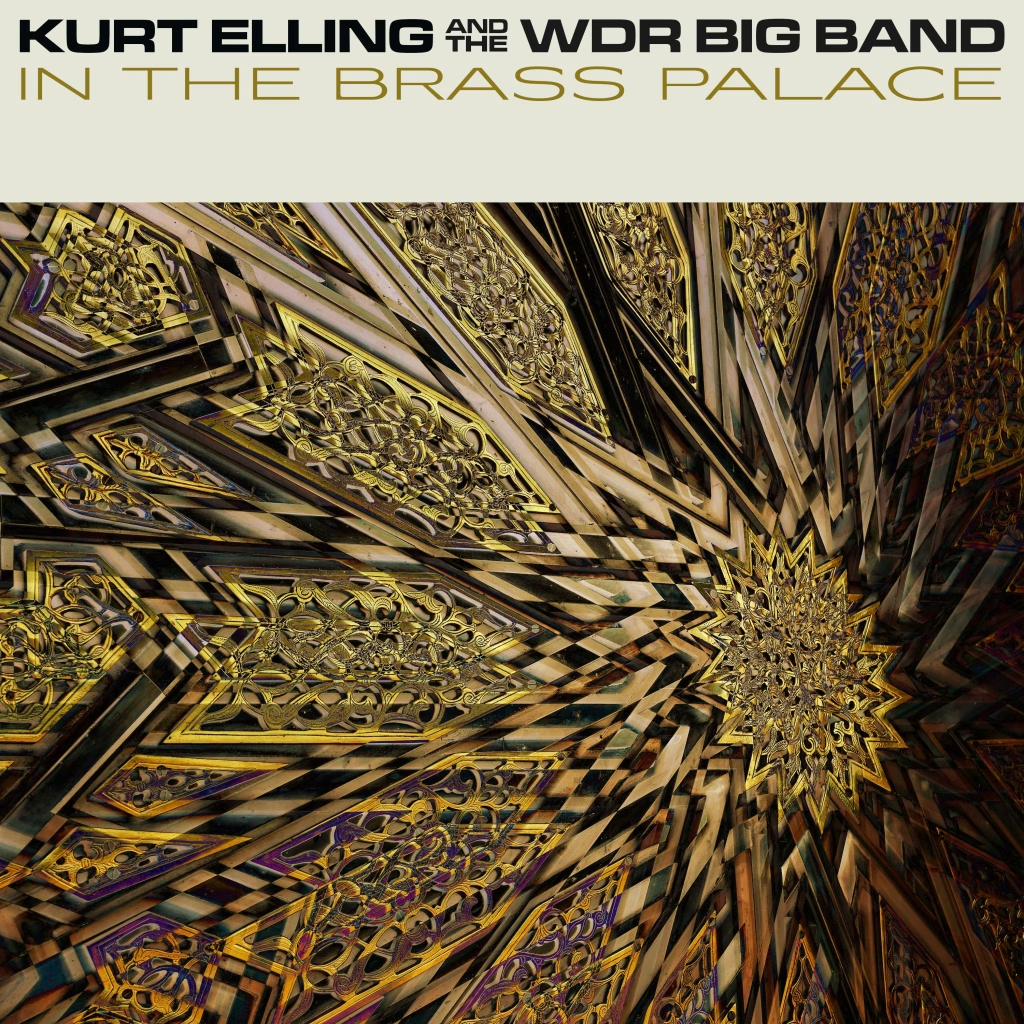
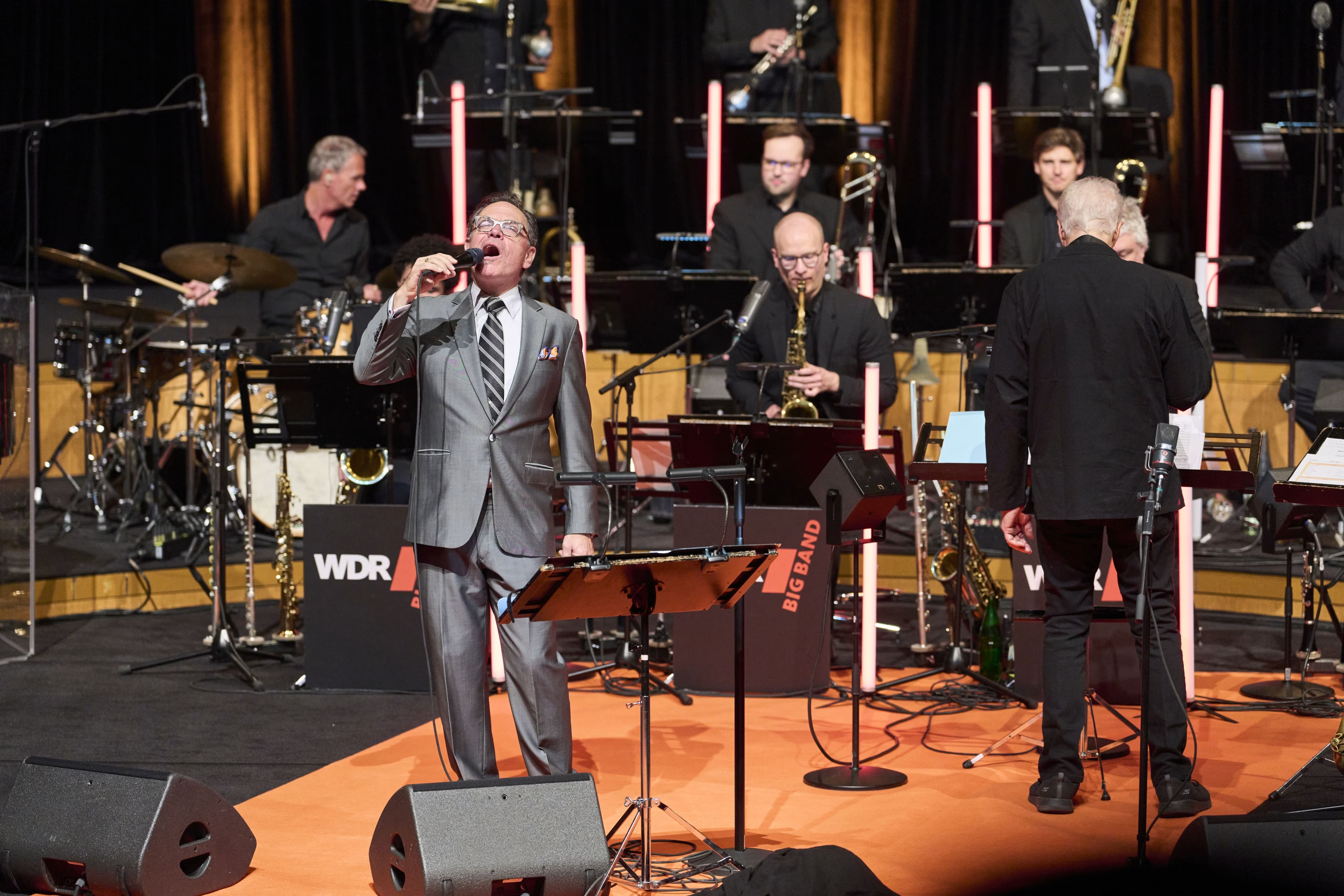
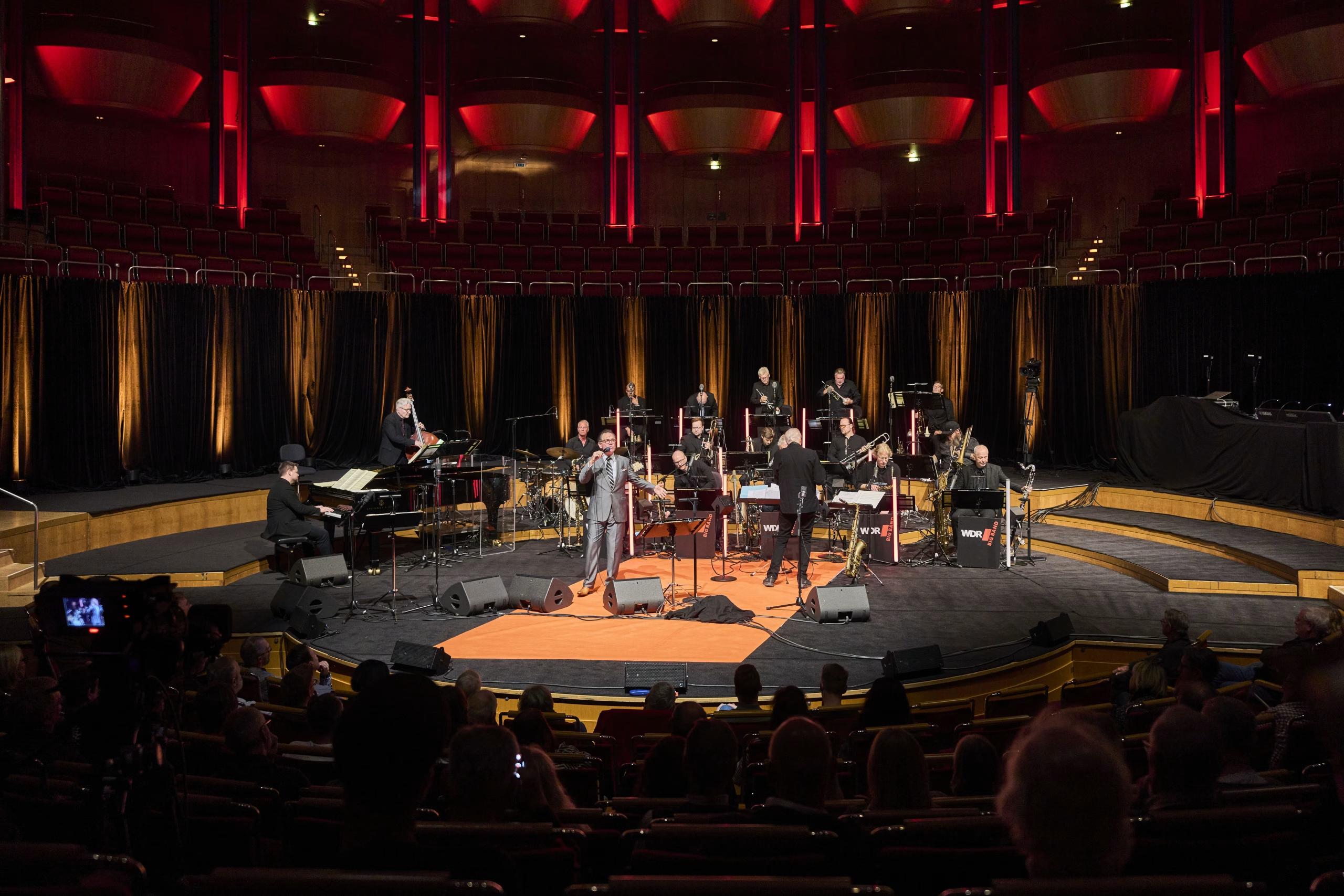
Big band remains one of jazz’s most demanding orchestral forms. It requires architectural precision in arranging, a deeply grounded rhythm section, and enough space for improvisation to keep the music alive. When it succeeds, it feels less like a set of charts and more like a carefully constructed structure — foundation, framework, detail, and finally, a defining voice that crowns it. With In the Brass Palace, Kurt Elling and the WDR Big Band build exactly that: a six-track, 45-minute recording that unfolds with structural clarity and sonic depth. Released on February 13, 2026 via Big Shoulders Records (the label Elling co-founded with Bryan Farina), the album presents extended arrangements — each piece spanning six to nine minutes — allowing ideas to develop organically.
A Long-Awaited Big Band Statement
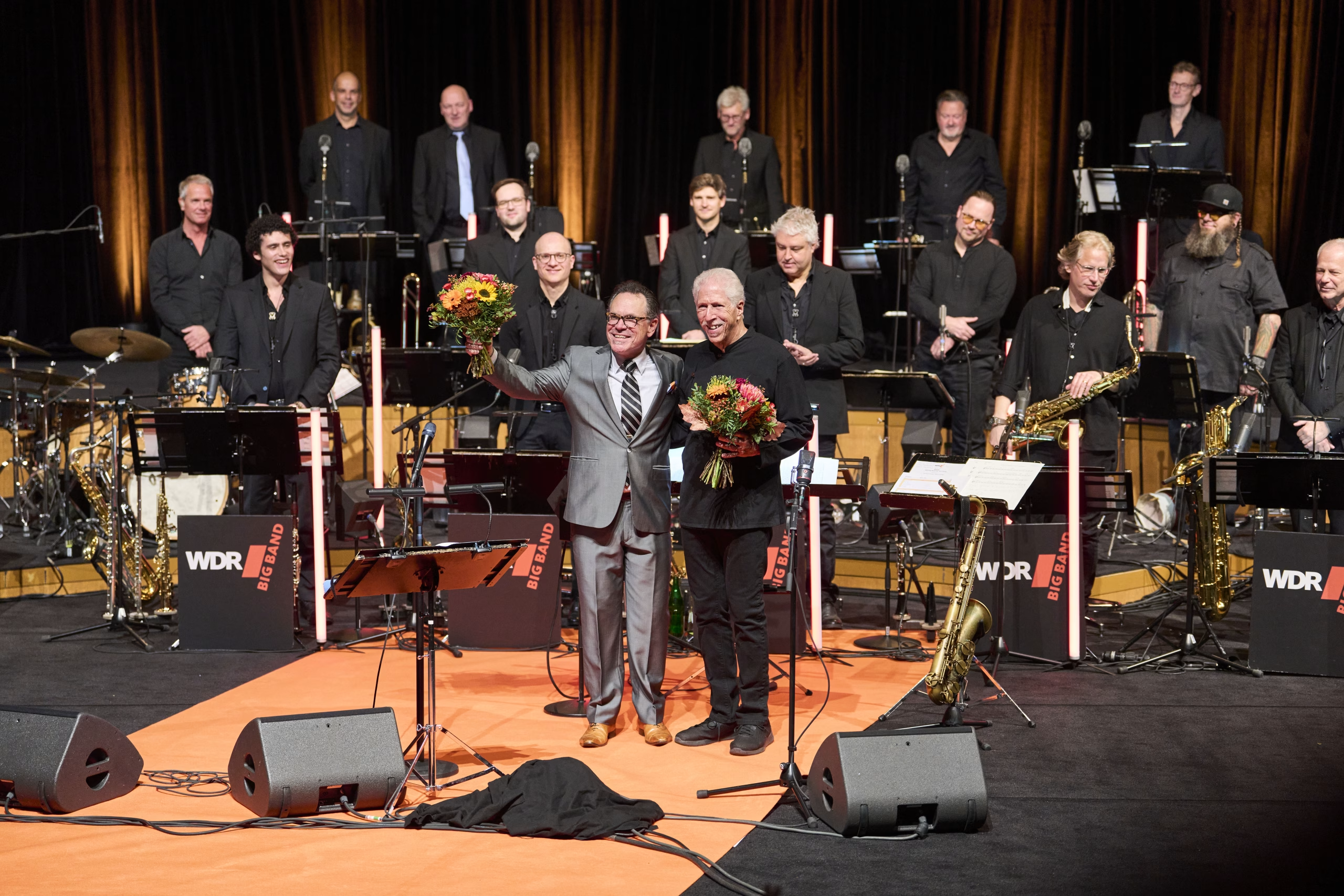
Elling has long been one of the most versatile vocalists in contemporary jazz, yet a full big band project took time to materialize. The wait proves worthwhile. Rather than treating the orchestra as accompaniment, the album positions the ensemble as an integrated creative partner. The WDR Big Band, founded in 1957 and approaching its 70th anniversary, stands among Europe’s leading jazz orchestras. For this project, the ensemble is led by tenor saxophonist and arranger Bob Mintzer, who contributes two arrangements. The remaining charts are crafted by masters of large-ensemble writing: Michael Abene, Jim McNeely, and Tim Hagans.
The writing is modern yet grounded in tradition. Brass and reeds are not background décor; they are active participants in shaping form, color, and momentum. Timbres blend with Elling’s voice rather than sitting behind it, creating a cohesive sonic palette throughout.
Reimagining Repertoire Across Eras
The repertoire spans decades and styles: a 1980s synth-pop hit, Thad Jones, John Scofield, Duke Ellington, Wayne Shorter, and Joe Zawinul. In lesser hands, such diversity could feel fragmented. Here, it is unified by Elling’s interpretive authority and his lyrical adaptations — he contributes lyrics to three selections, reshaping instrumental compositions into vocal narratives.
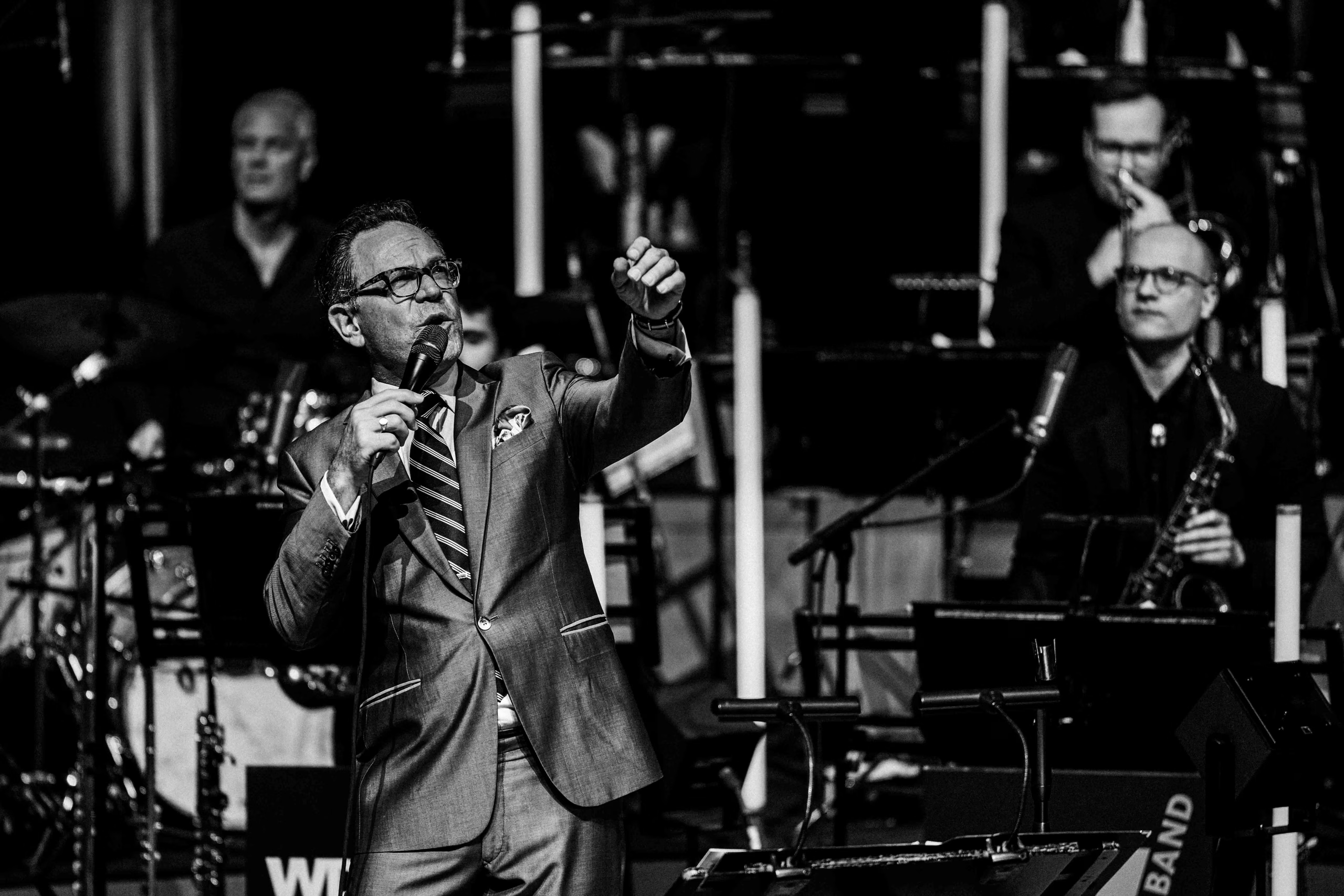
The album opens with a swinging reworking of Joe Jackson’s 1982 hit Steppin’ Out. Arranged by Michael Abene, the track begins with an instrumental introduction before settling into a buoyant swing groove. Elling enters with rhythmic assurance, and his scat solo demonstrates precise phrasing and clean articulation, supported by brass figures that enhance rather than compete.
A tenor saxophone solo from Paul Heller develops naturally over evolving backgrounds, while drummer Hans Dekker steps forward briefly near the close. The carefully shaped dynamic drop before the final vocal return provides structural symmetry.
The Thad Jones composition Desire, arranged by Mintzer, introduces contrasting color with a subtle Latin undercurrent. Saxophones in tight upper-register voicings establish textural clarity in the introduction. The ensemble writing is dense yet transparent.
Rather than centering on extended improvisation, the arrangement uses tutti passages as structural peaks. Elling’s lyric interpretation deepens in the bridge, where the reduced dynamics highlight his narrative control. Dialogues between trombones, trumpets, and reeds create a distinctly orchestral moment.
Groove, Ballad, and Reinvention
A retitled version of John Scofield’s Jeep on 35, here My Very Own Ride, becomes the album’s most groove-driven track. Lyrics by Nina Clark and Jim McNeely’s arrangement transform the original guitar-led piece into a tightly orchestrated big band vehicle. The opening trombone and baritone voicing cleverly replaces the guitar introduction. Elling locks into the groove with rhythmic precision, his scat phrasing aligned closely with the rhythm section.
Tenor saxophonist Ben Fitzpatrick extends the improvisational arc, and the ensemble returns in a forceful tutti that heightens intensity before a concluding drum feature from Dekker. The balance between rhythmic drive and orchestral control makes this one of the album’s highlights. Elling shifts into ballad territory with Duke Ellington’s I Like the Sunrise, previously recorded on Nightmoves (2007). In this big band setting, arranged by Abene, harmonic warmth expands while intimacy remains intact.
Elling adjusts his vocal color accordingly — fuller tone, controlled vibrato, and deliberate pacing. A flugelhorn solo by Andy Haderer provides lyrical contrast before the final vocal cadenza, where Elling sustains a long-held note with measured control, fully integrated into the orchestral arc.
Vocalise and Orchestral Precision
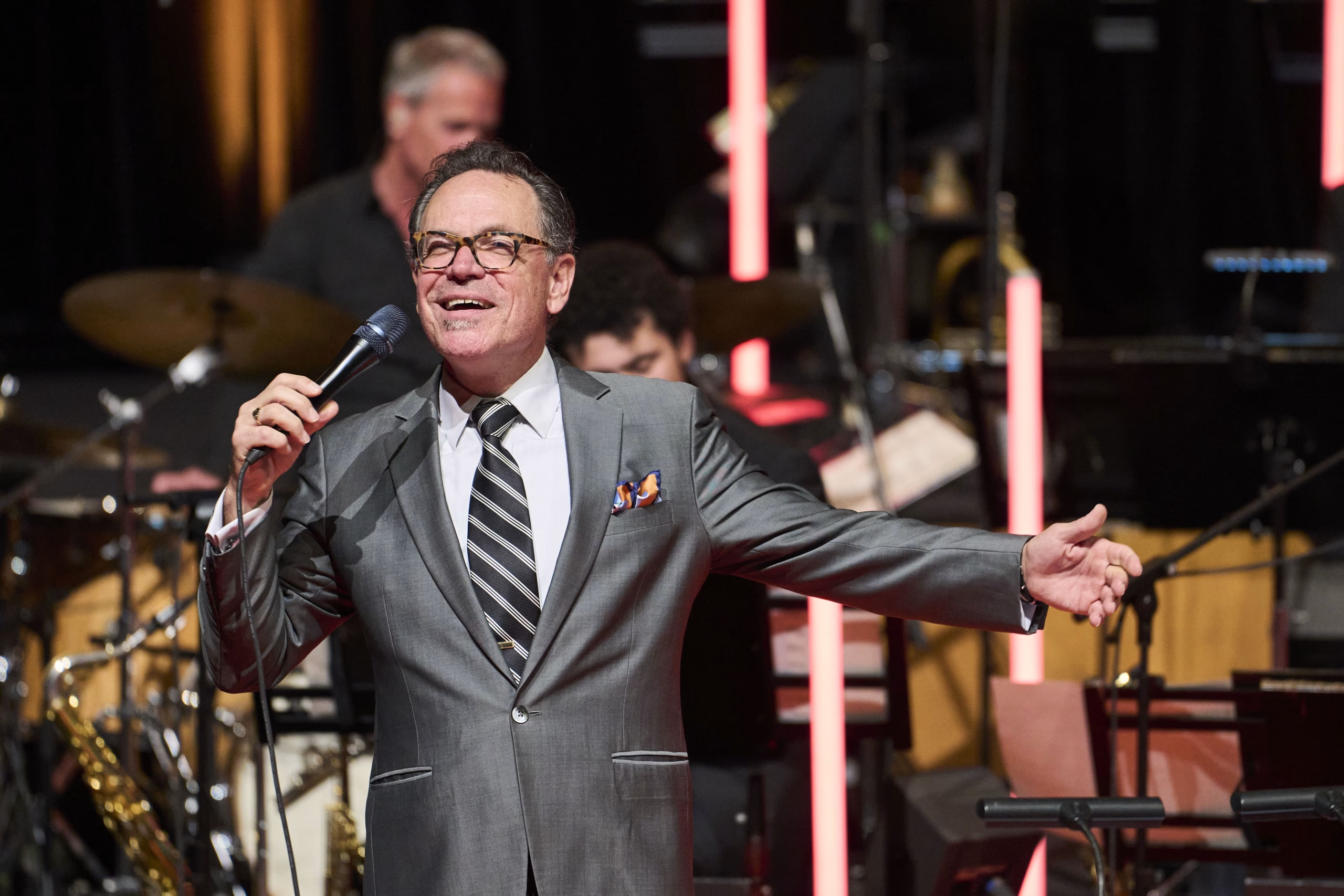
Wayne Shorter’s composition Speak No Evil appears here as They Speak No Evil, with lyrics by Elling and an arrangement by Tim Hagans. A rhythmically charged introduction sets the tone before Elling states the theme in unison with trumpet.
The centerpiece is Elling’s vocalise on Shorter’s original solo line — delivered with clarity and structural logic, as though conceived with lyrics from the outset. Trombonist Andy Hunter contributes a grounded solo, beginning sparsely with rhythm section support before backgrounds gradually re-enter.
In the outro, Elling quotes Shorter’s Go, previously recorded as Stays on his Grammy-winning Secrets Are the Best Stories, creating a subtle internal reference within his discography.
The album closes with Joe Zawinul’s Current Affairs, arranged by Mintzer. Elling has recorded the piece before in a smaller setting, but the big band framework broadens its harmonic and rhythmic scope.
Mintzer’s tenor saxophone solo brings muscular phrasing and tonal authority. As the arrangement unfolds, Elling integrates seamlessly into the ensemble texture rather than projecting above it. Drums shift to brushes toward the end, and a trumpet solo by Ruud Breuls gradually dissolves into a controlled fade — as if someone were quietly closing the windows of the palace, letting the final resonance remain inside its walls.
A Palace Built on Precision and Vision
In the Brass Palace may have taken decades to realize, but it stands as a cohesive artistic statement. The repertoire is thoughtfully curated, the arrangements contemporary yet grounded, and the WDR Big Band performs with precision, depth, and rhythmic clarity under Mintzer’s direction.
Elling’s technical command — pitch accuracy, breath control, rhythmic placement — is evident throughout. More importantly, his lyrical adaptations and interpretive depth elevate the project beyond a standard vocal feature album. He inhabits the structure rather than decorating it.
This is not simply a big band record; it is a fully integrated orchestral collaboration. A carefully constructed palace, built from the rhythm section upward, polished in brass and voice alike — and one that rewards attentive listening from foundation to final fade.
You can get your copy and listen to the album here.
Photography by Claus Langer
Comments are closed.