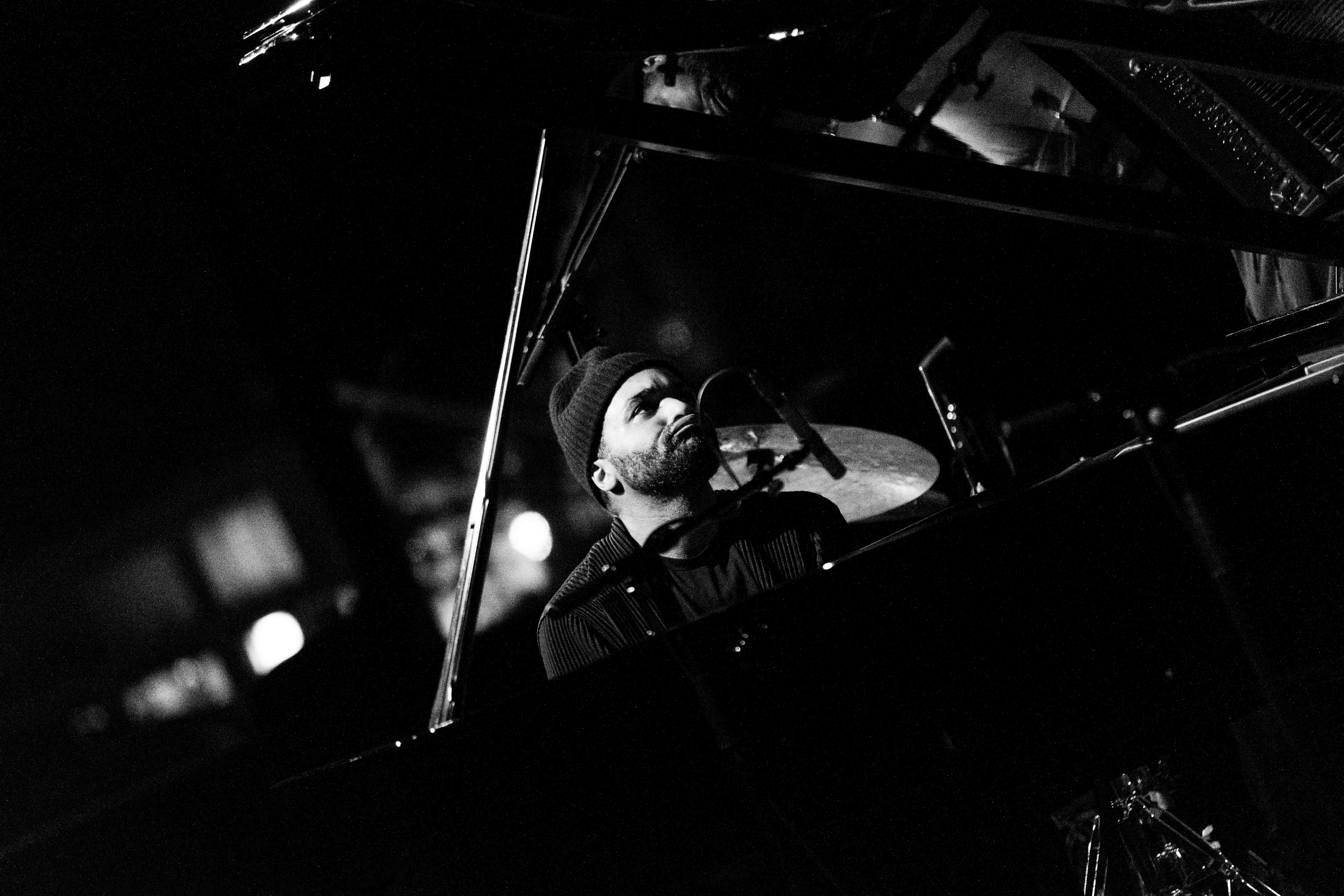
Sullivan Fortner Trio
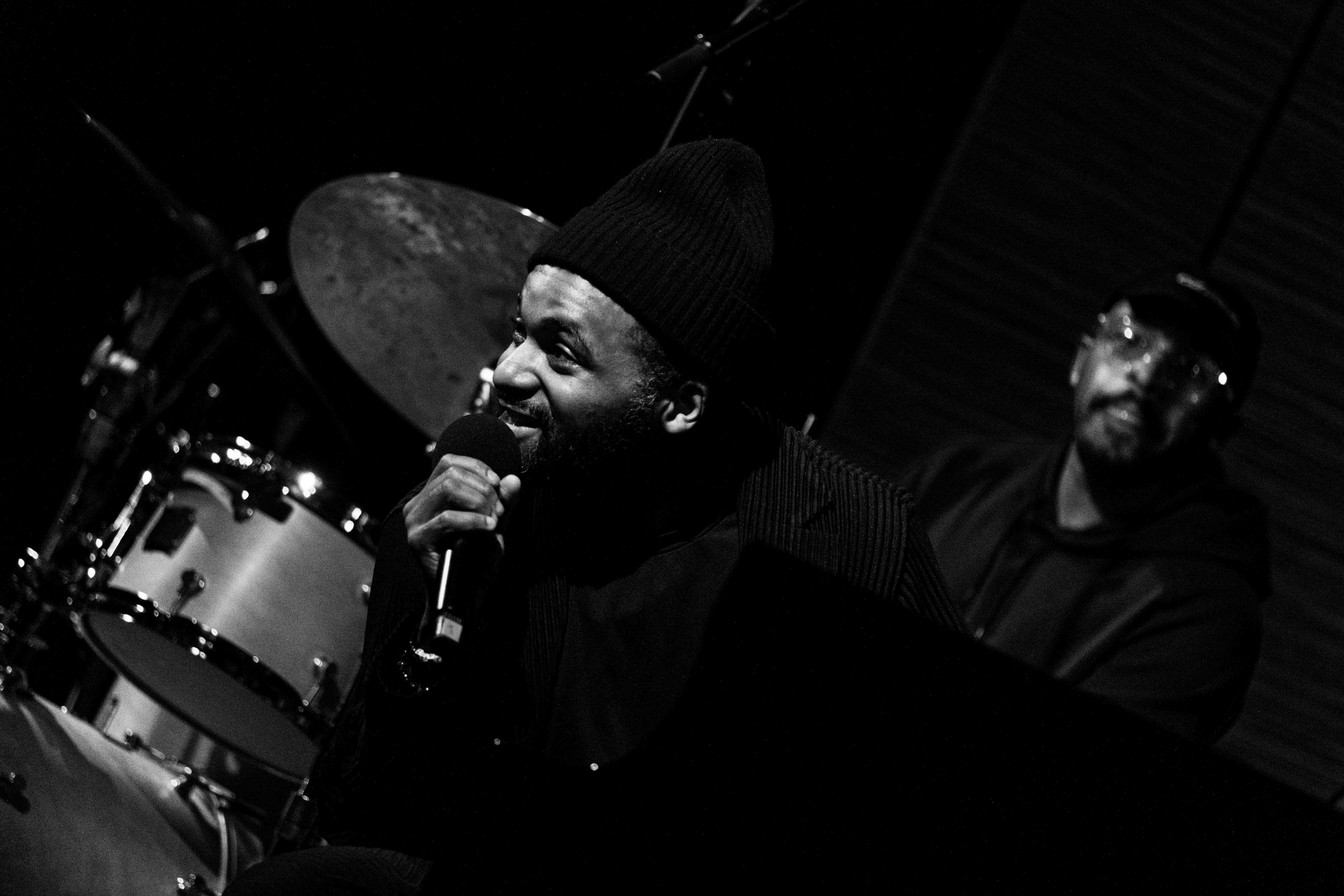
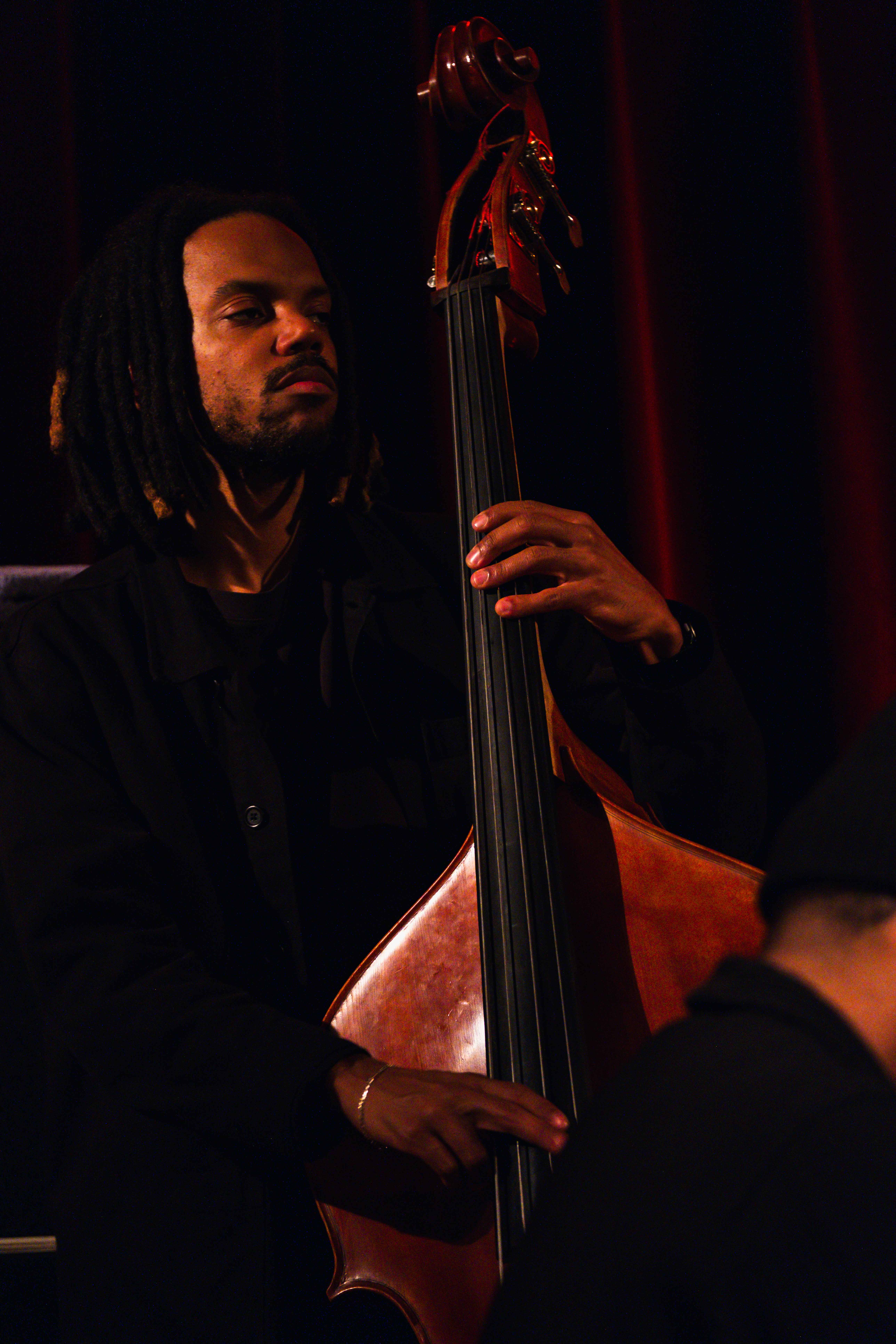
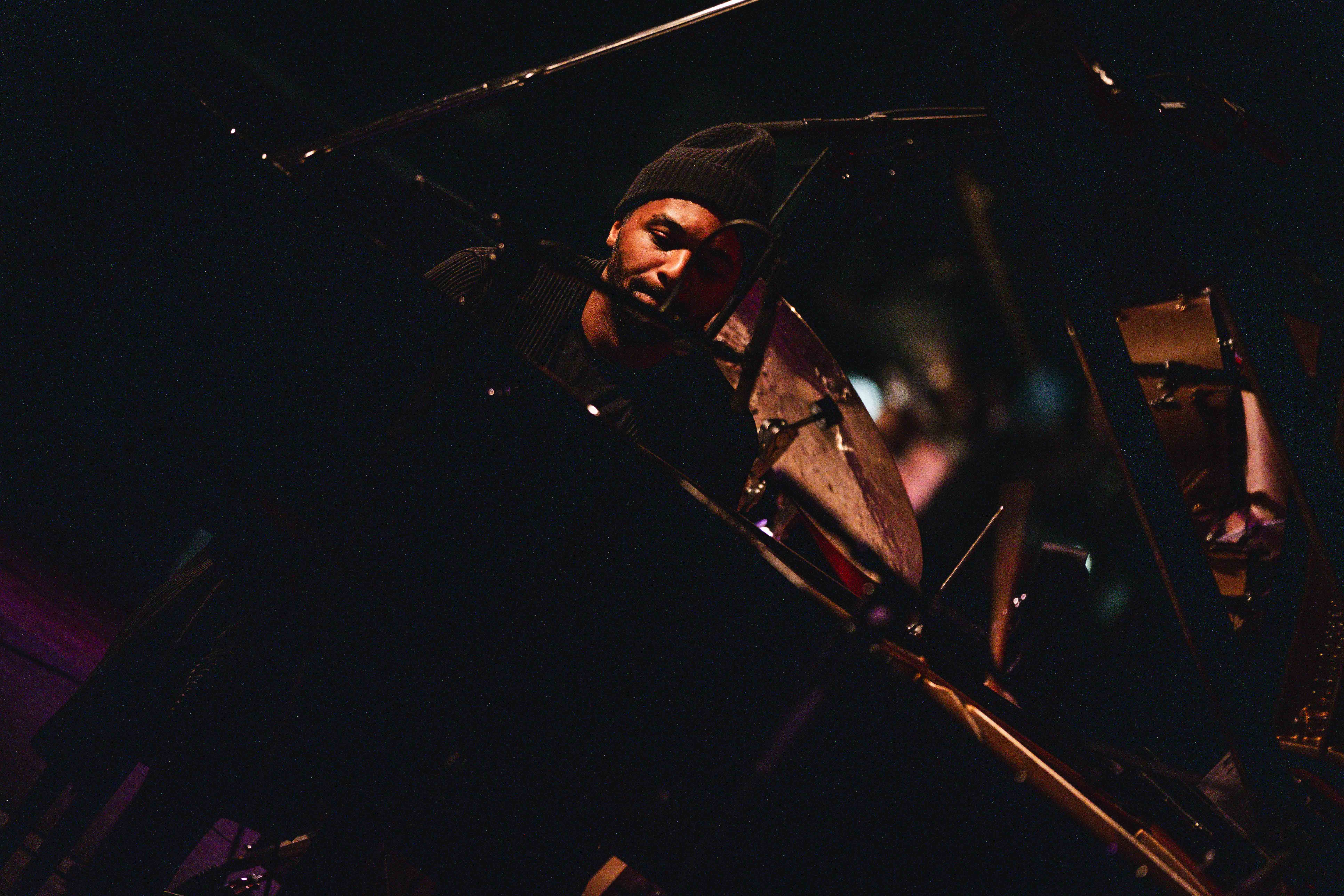
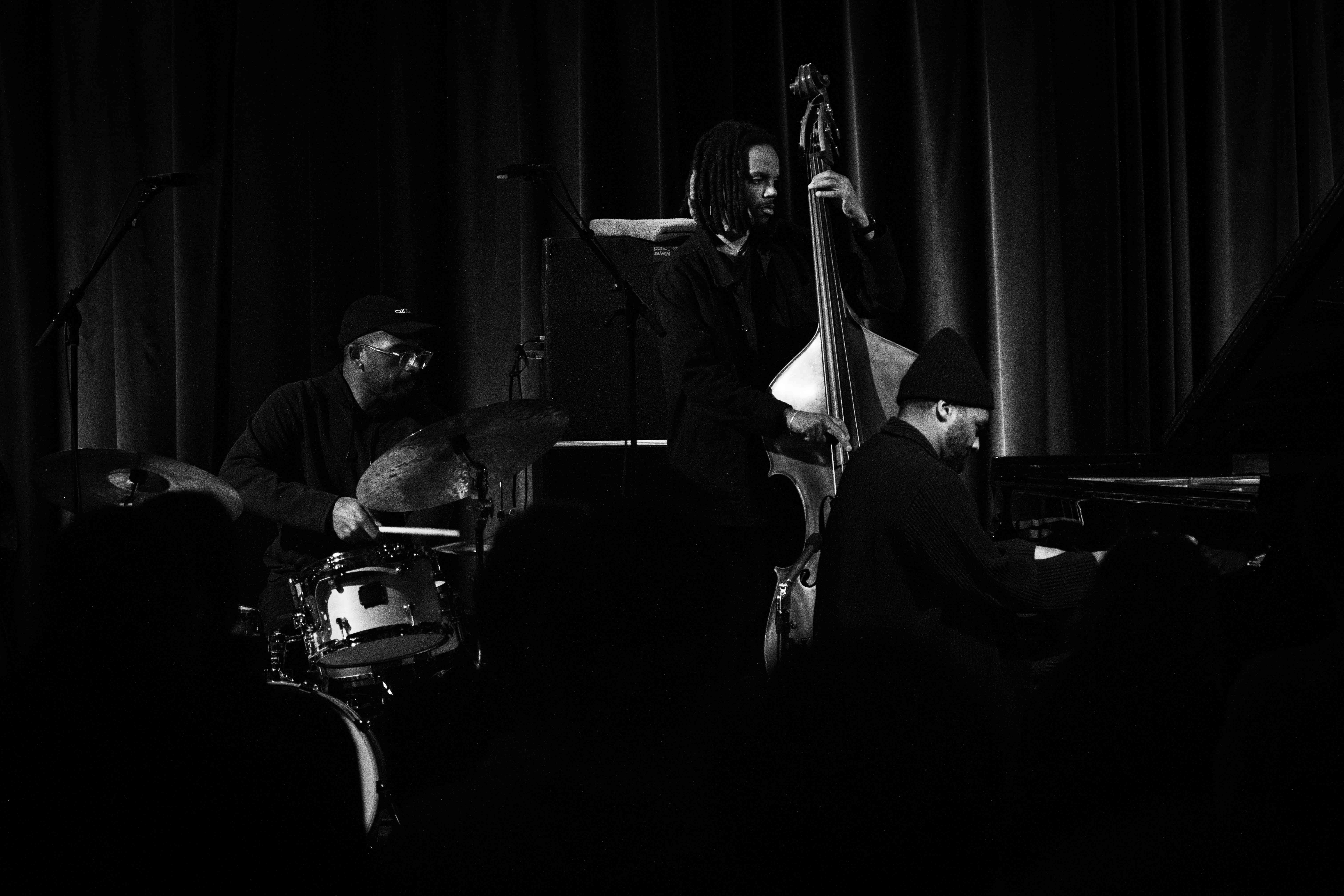
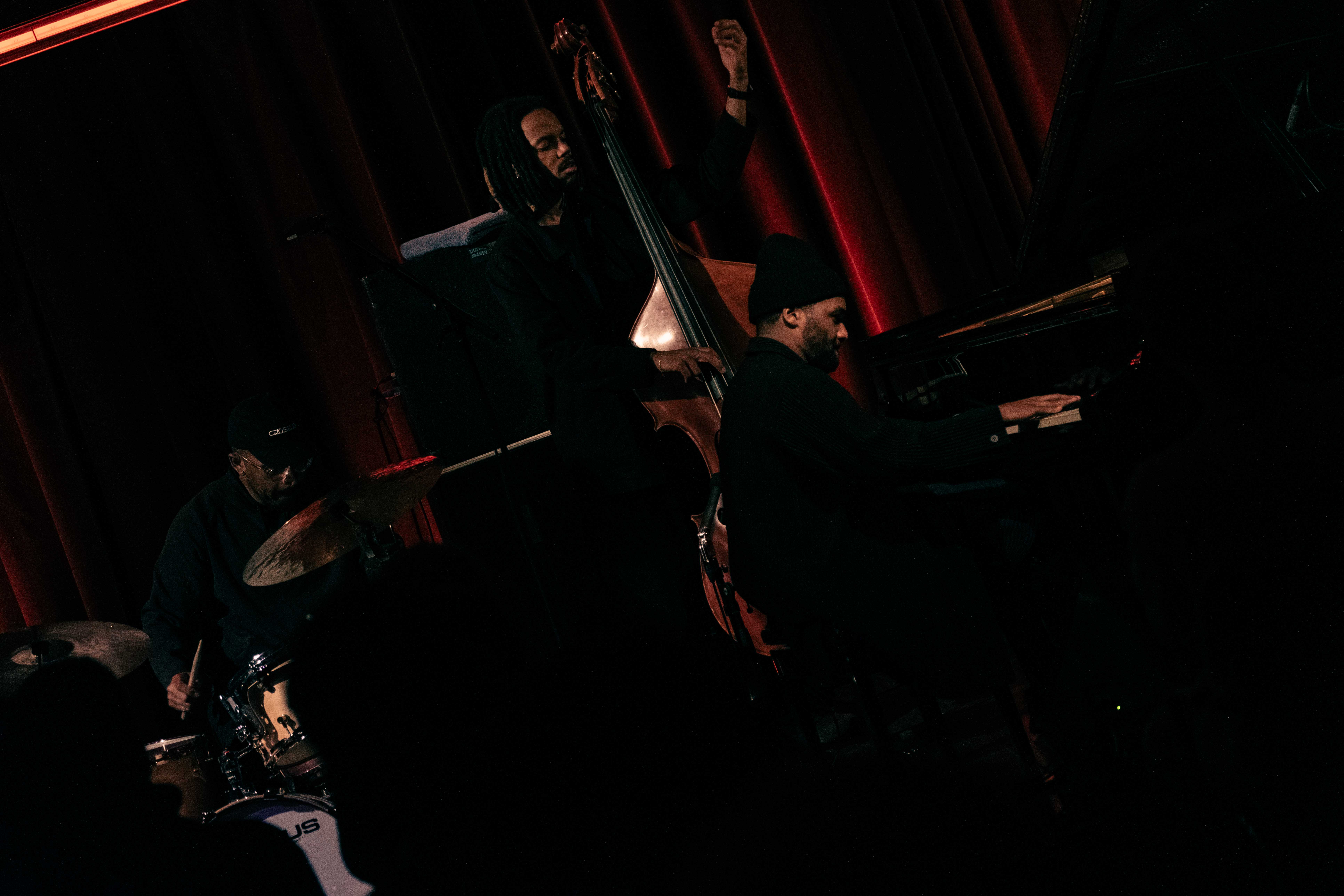
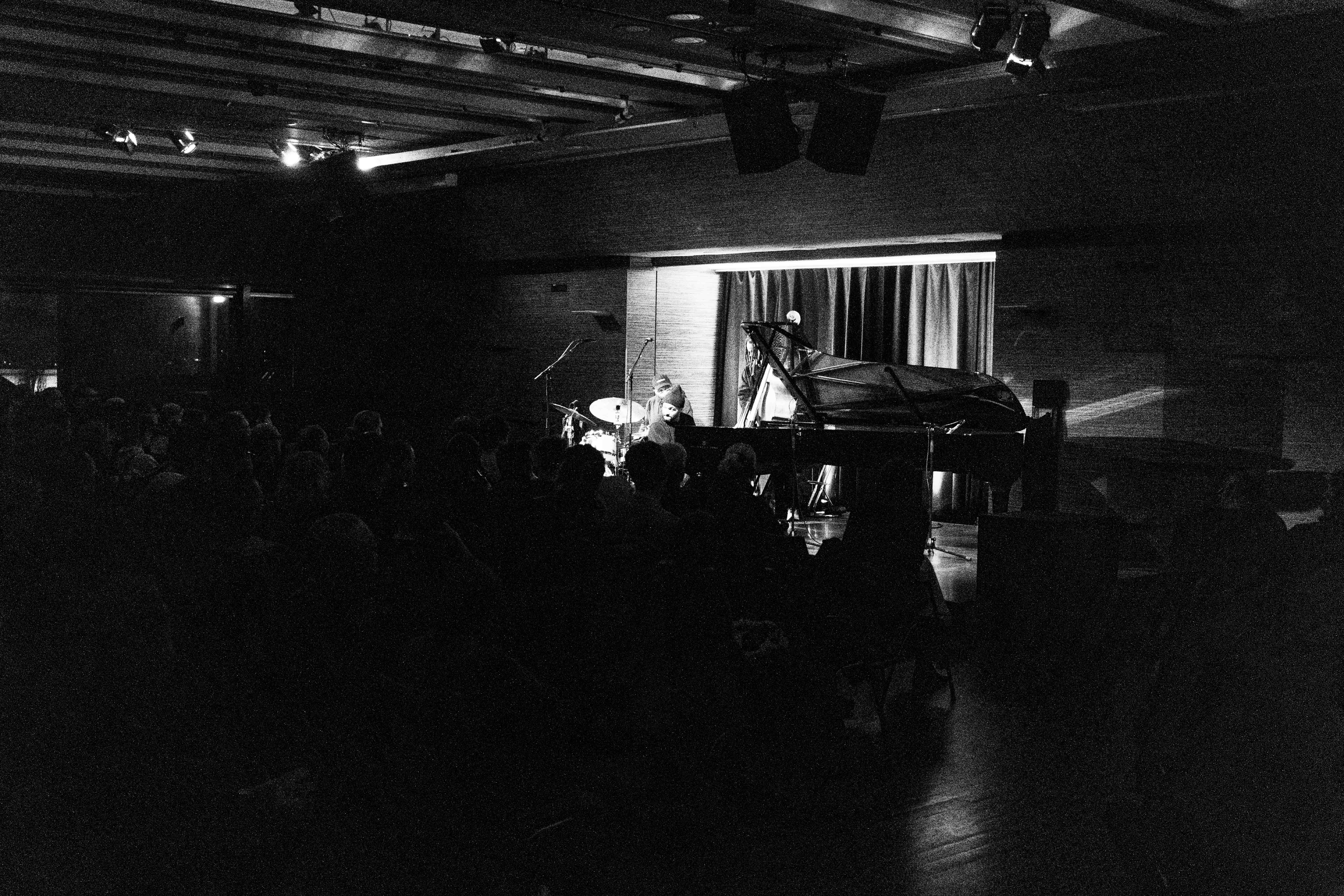
Only a few months after appearing at the Ljubljana Jazz Festival alongside vocalist Cécile McLorin Salvant, pianist Sullivan Fortner returned to Ljubljana with his working trio. The visit came just weeks after he received his third Grammy Award, this time for Best Instrumental Jazz Album for Southern Nights. His current trio — featuring bassist Tyrone Allen II and drummer Kayvon Gordon — has been performing regularly together since 2021, and the near two-hour performance at Klub CD demonstrated how deeply this ensemble language has developed.
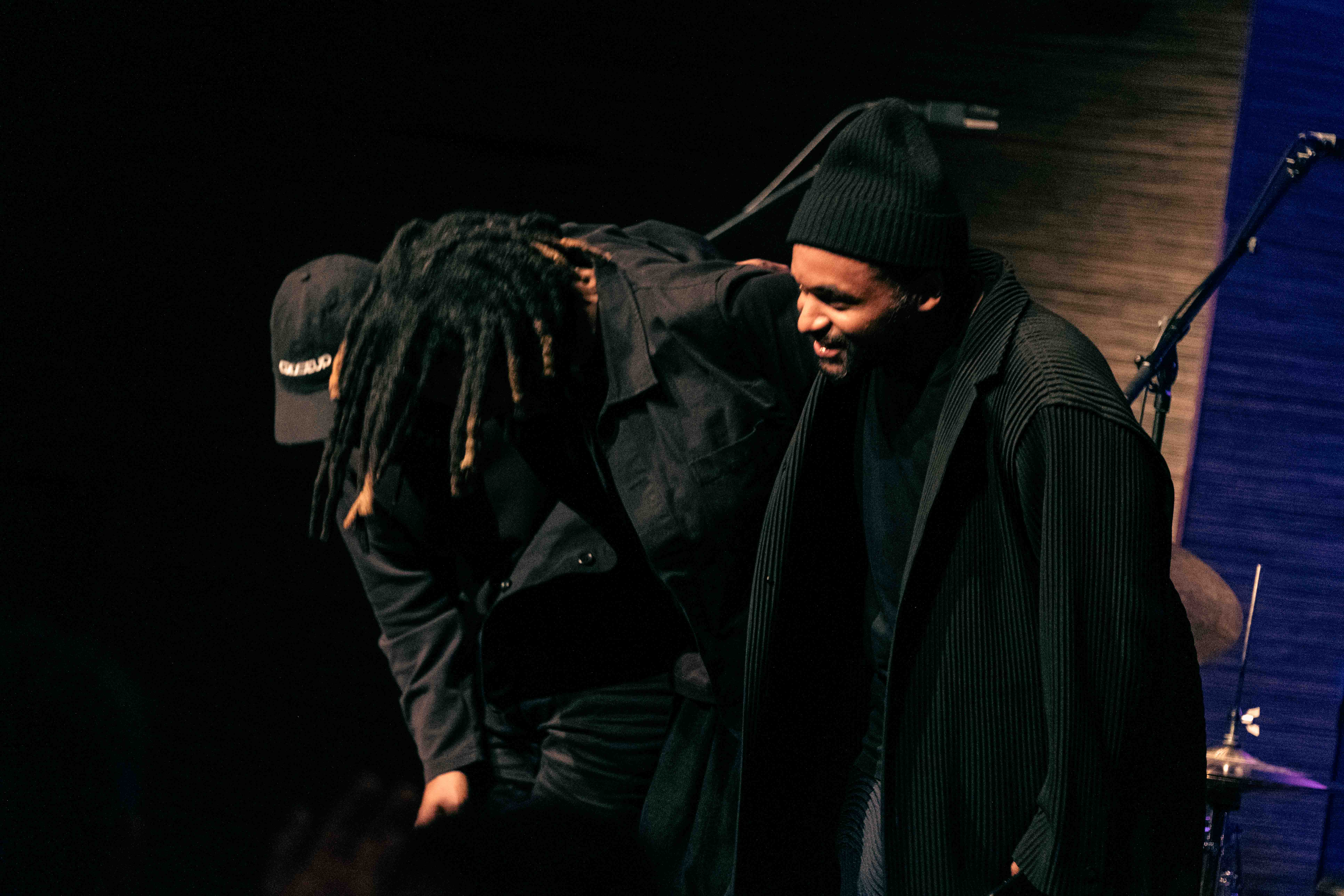
The piano trio remains one of jazz’s most revealing formats: open enough to give each musician full expressive space, yet demanding a high level of listening, virtuosity, and collective instinct. Fortner’s trio delivered exactly that, earning a long standing ovation from the nearly sold-out audience.
A Trio Built on Visual and Musical Communication
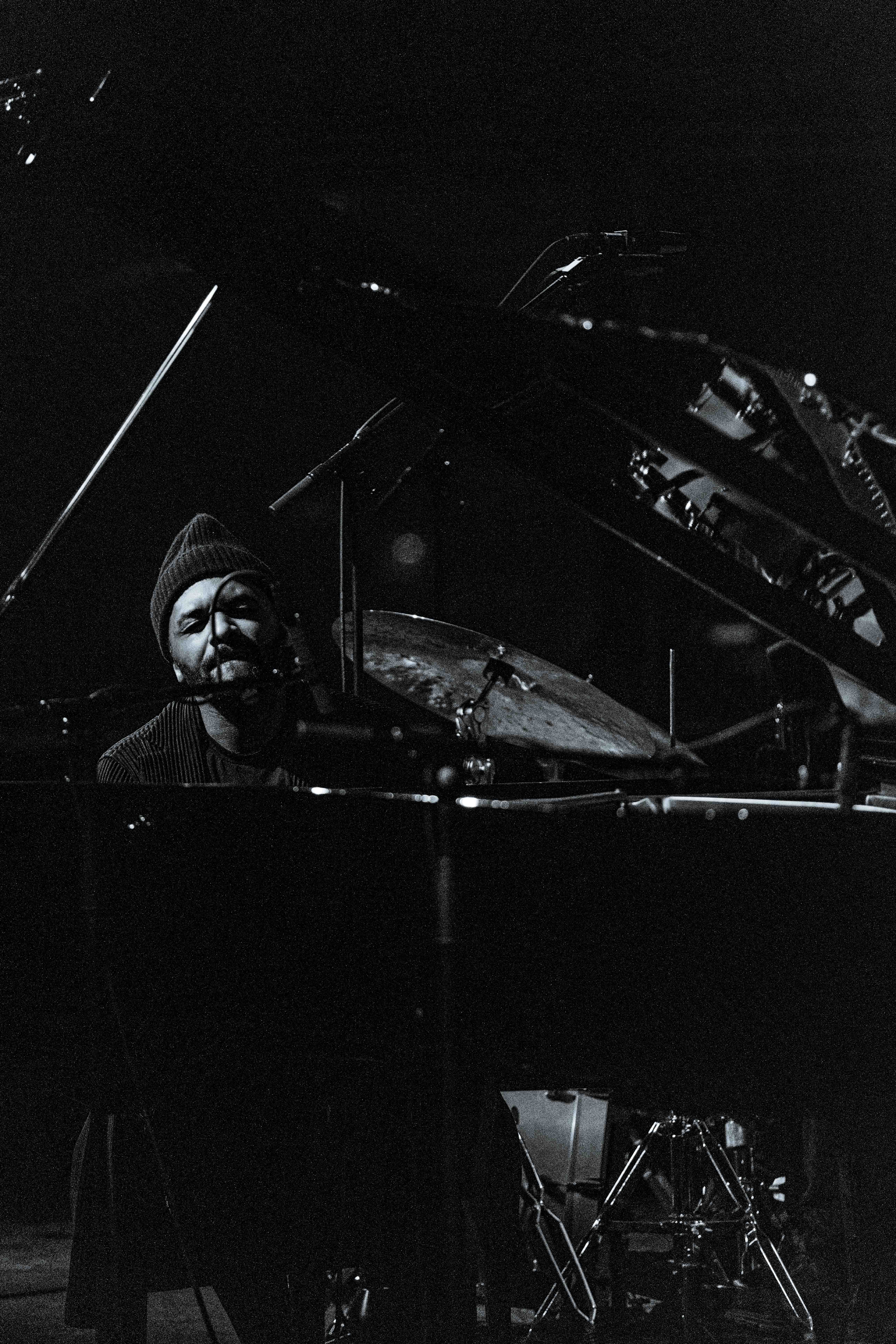
One detail immediately caught the eye even before the music began: the unusual placement of the piano. Fortner sat in the center of the stage with his back partially turned toward the drummer, positioning himself between bass and drums. What might have looked unusual at first quickly revealed its purpose.
The trio operates without charts. Visual communication and spontaneous cues guide the performance, and Fortner’s position allowed both Allen and Gordon to keep his hands in sight throughout the set.
The opening moments confirmed this approach. After a brief introduction, the trio launched into an arrangement based on a theme from Carmen by Georges Bizet. Rather than treating the tune as a stand-alone piece, Fortner used it as the starting point of a flowing musical sequence.
Pieces emerged one from another through brief rubato interludes, with Fortner improvising short transitions that served as introductions to the next tune. The set unfolded less like a traditional sequence of compositions and more like a continuous narrative, guided by the pianist’s cues.
From Carmen the trio moved into The Scene Is Clean by Tadd Dameron, and later into For B.P. by Freddie Hubbard. Right from the start it became clear that the group draws deeply from the jazz tradition while comfortably extending beyond it.
Tradition, Humor, and Sudden Turns
IFortner’s repertoire moved easily between references — from classical sources to unexpected popular culture moments. One such example was “Changing Keys,” his arrangement of the theme from the television show Wheel of Fortune, originally written by Merv Griffin.
Fortner’s pianism throughout the evening was remarkably inventive. His playing moved between sharp bebop lines, powerful block-chord passages, and occasional dissonant gestures recalling the harmonic language of Thelonious Monk.
At times his left and right hands seemed to operate almost independently, engaging in a constant call-and-response dialogue that created a layered, polyphonic texture across the keyboard.
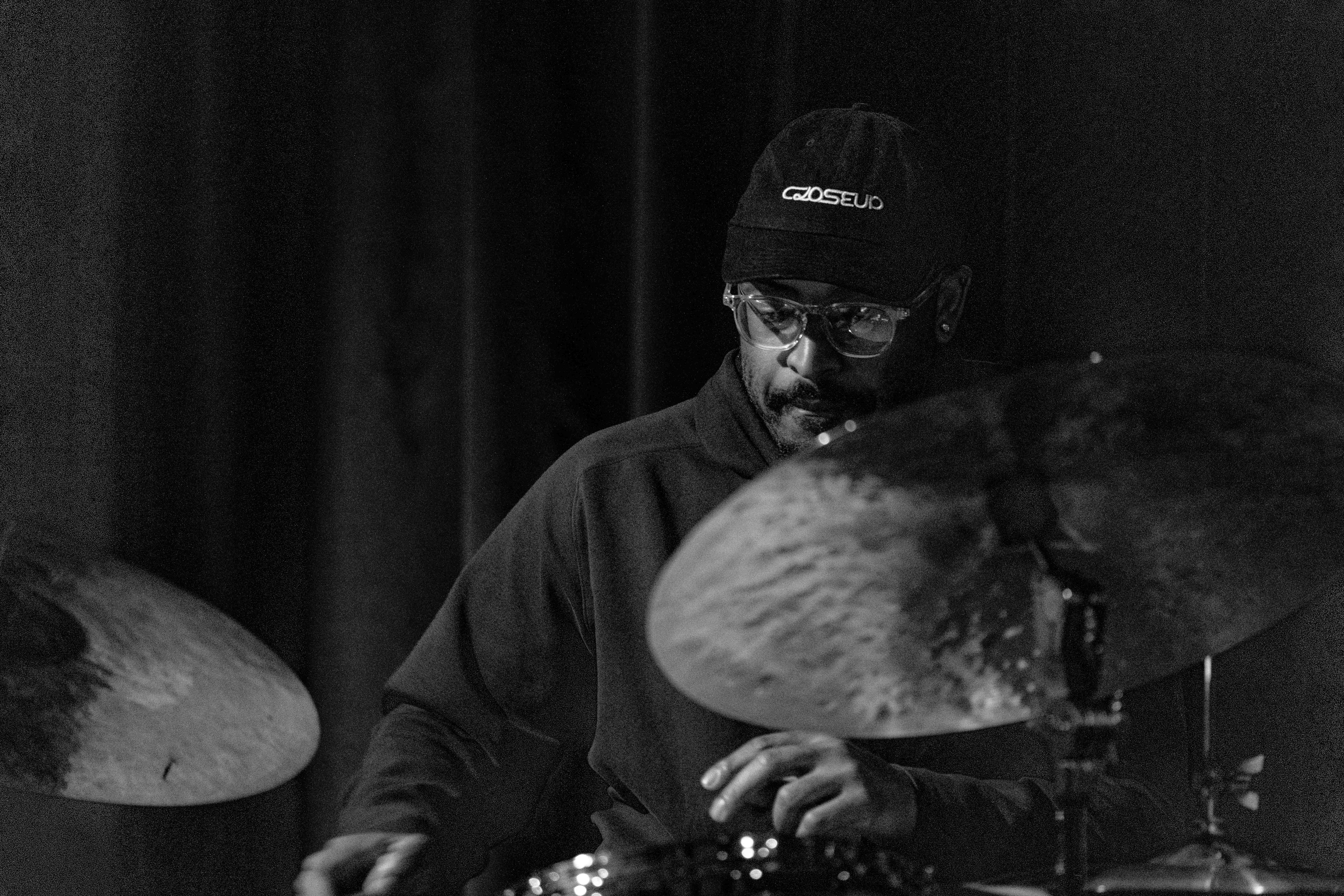
Behind him, Allen and Gordon formed an exceptionally responsive rhythm section. Allen’s articulate bass lines pushed the groove forward with clarity, while Gordon demonstrated remarkable control of cymbal color, shaping the trio’s overall sound whether swinging on brushes or sticks.
The first extended medley concluded with Fortner reintroducing the band members, joking about adding adjectives before their names — a playful reference to drummer Billy Hart, who often introduces musicians that way.
Speed, Precision, and Collective Energy
The trio then moved into No Smokin’ by Horace Silver. The tempo quickly accelerated into an intense fast swing, yet the ensemble maintained remarkable clarity, with Tyrone Allen II’s bass anchoring the pulse and Kayvon Gordon shaping the groove through crisp cymbal articulation.
Fortner navigated the keyboard with effortless agility, while Allen and Gordon followed every rhythmic shift with precision. Even at such high speeds, each musician retained space for improvisation.
Allen began his solo with sharply articulated walking lines before expanding into more spacious phrases, after which Gordon took an energetic drum solo.
Yet the most striking element was not individual virtuosity but the collective momentum. The trio constantly pushed one another forward, reacting instantly to changes in direction and dynamics.
New Music and Stride Reimagined
At one point Fortner introduced a recent composition written the morning after a U.S. presidential State of the Union address. The piece, titled “Velvet Nightmare,” reflected the tension suggested in its name.
Before the tune began, Fortner turned to Allen and invited him to start the piece. The bassist responded with a striking introduction built from chromatic runs and wide glissandi, setting an unsettled atmosphere before the trio entered a repeating 7/4 riff. Gordon switched to mallets, giving the groove a darker, more atmospheric character.
Another sudden transition followed — this time into stride-influenced piano playing. But it was stride transformed: rhythmically flexible and harmonically expanded. As pianist Brad Mehldau has noted in recent interviews, Fortner is among the musicians bringing stride language into a distinctly modern context.
Allen later switched to the bow for one of his solos before the trio moved into Waltz for Monk by Donald Brown, another piece associated with Fortner’s album Southern Nights.
For the ballad portion of the set, they offered a lyrical interpretation of ’Round Midnight by Thelonious Monk, ending unexpectedly with a brief reference to Just a Gigolo.
By this point the audience had become accustomed to Fortner’s method of directing the trio: sometimes simply introducing a motif or harmonic idea that instantly signaled the next piece.
A Playful and Virtuosic Encore
The standing ovation brought the trio back for a two-tune encore.
They began with Airegin by Sonny Rollins, followed by Minority.
During the latter, Sullivan Fortner reached for a microphone and began scat singing while continuing his piano improvisation. At times his voice moved in unison with the piano line, and occasionally he even added vocal harmonies to the phrases he was playing.
The Power of the Piano Trio
The performance at Klub CD reaffirmed the expressive potential of the piano trio format. With musicians capable of listening and reacting at this level, three instruments can create a musical landscape that feels as expansive as a much larger ensemble.
Fortner’s trio demonstrated how jazz tradition can remain fully present while still sounding fresh and personal.
The constantly shifting setlist, built on spontaneous cues and deep trust between the musicians, turned the evening into a living example of what makes jazz performance compelling today: immediacy, dialogue, and collective creativity.
Follow CD for more concerts here! │ Follow Sullivan Fortner!