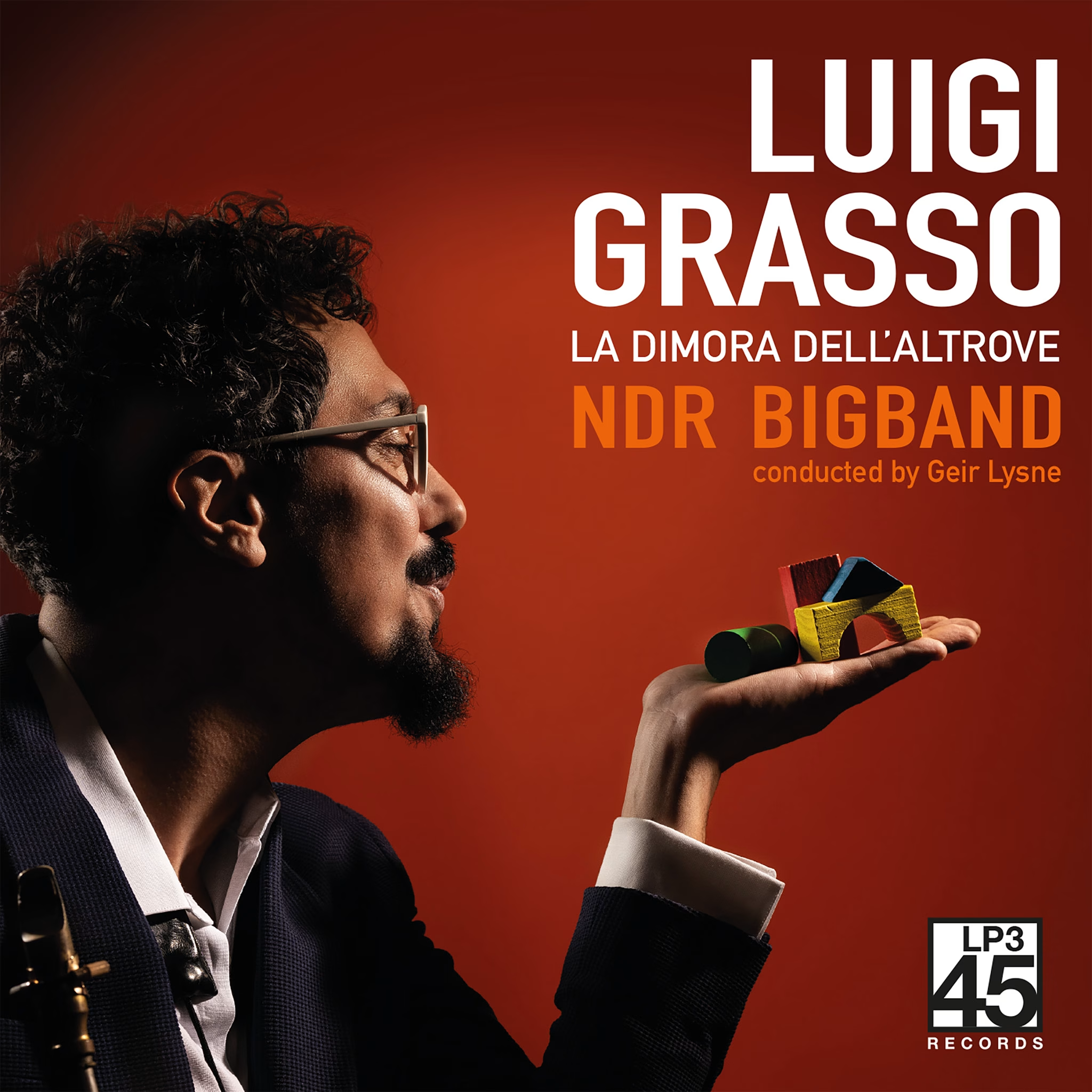
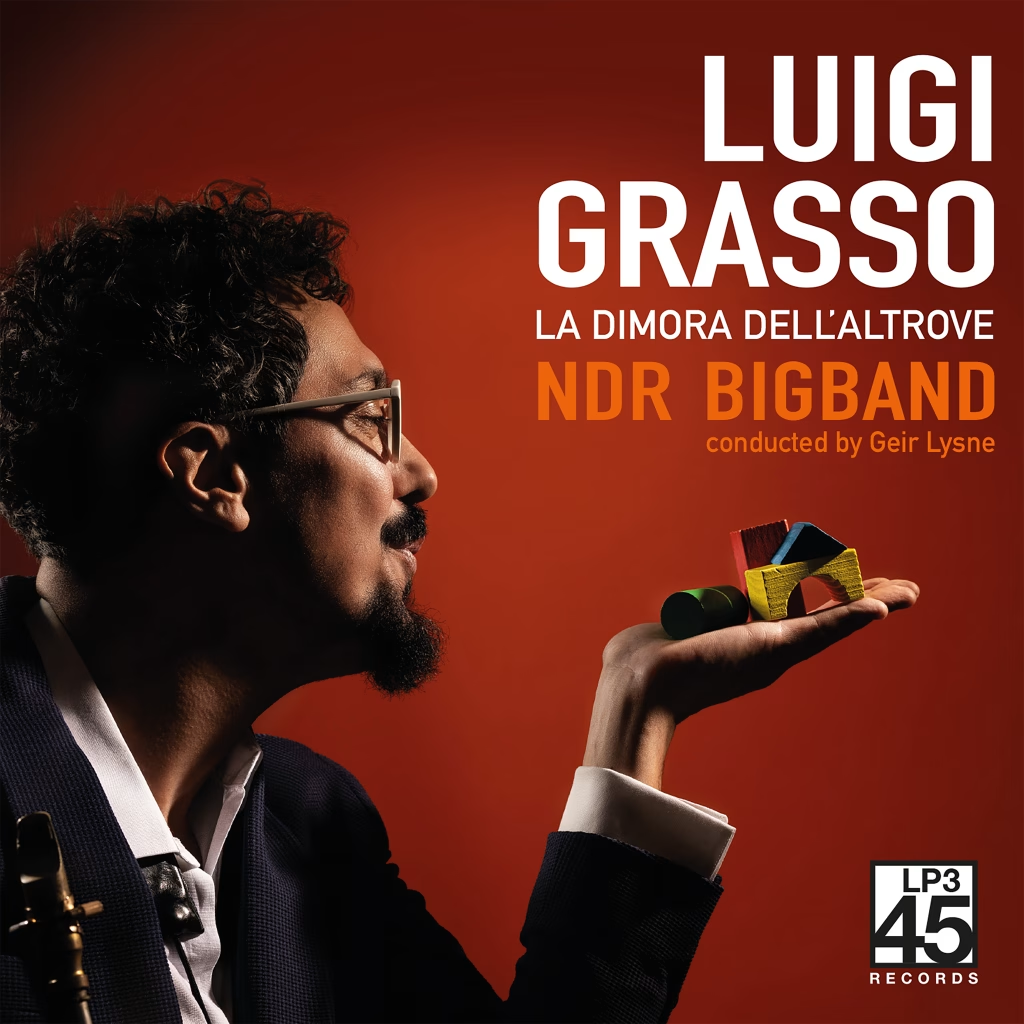
Luigi Grasso – La Dimora dell Altrove
Between Heimweh and Fernweh
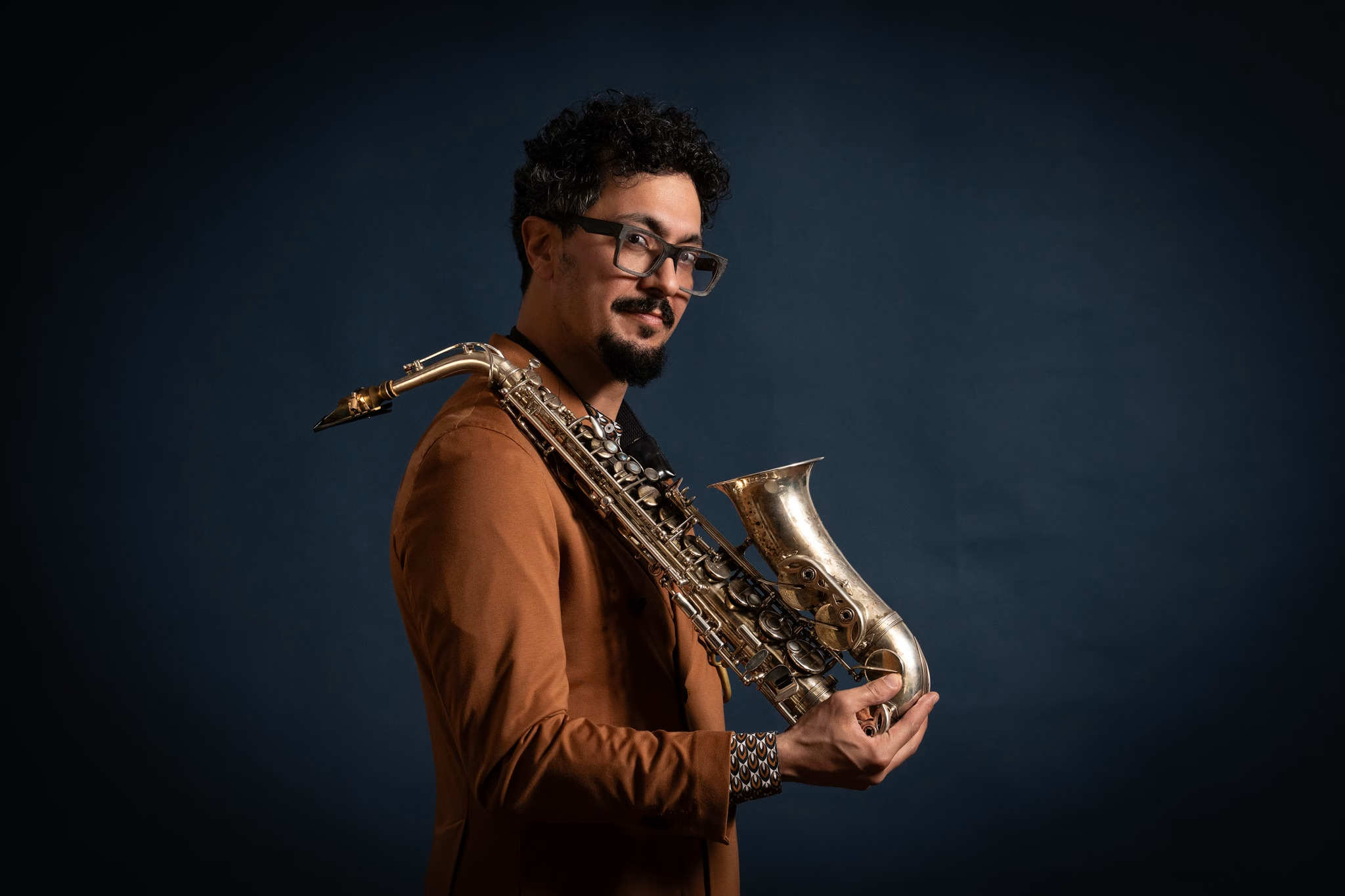
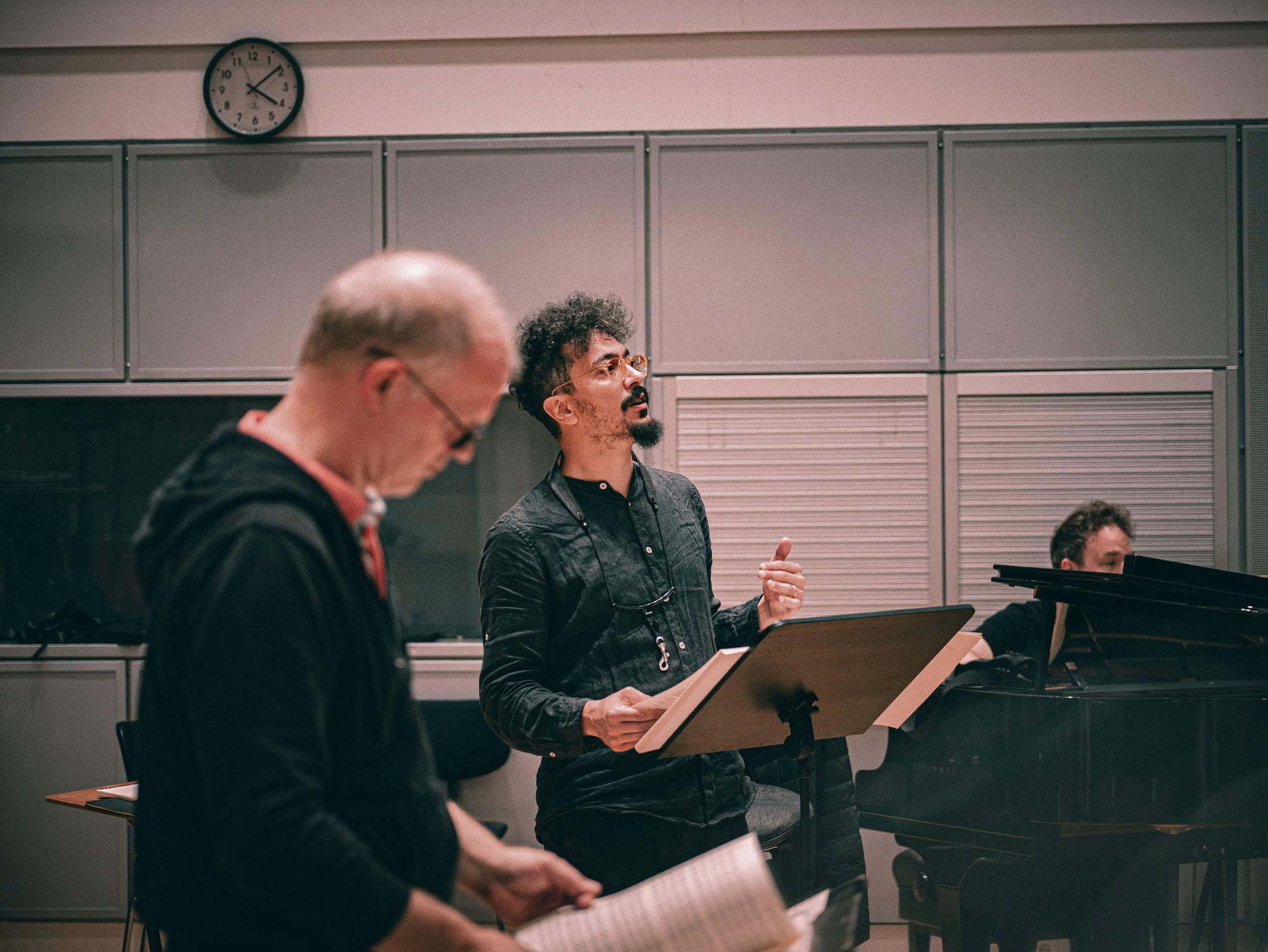
After the symphonic scope of Dantesca, Luigi Grasso turns to questions of identity, home, and longing in La Dimora Dell’Altrove (The Abode of Elsewhere). Commissioned by the NDR Bigband, where Grasso has been a member since 2019, the suite unfolds across two themes—Heimweh (homesickness) and Fernweh (wanderlust)—and a series of variations that balance orchestral color with improvisational freedom. The 40-minute work is less a showcase for Grasso’s saxophone virtuosity than a carefully crafted exploration of how large ensemble jazz can carry a narrative.
Orchestral colors and thematic openings
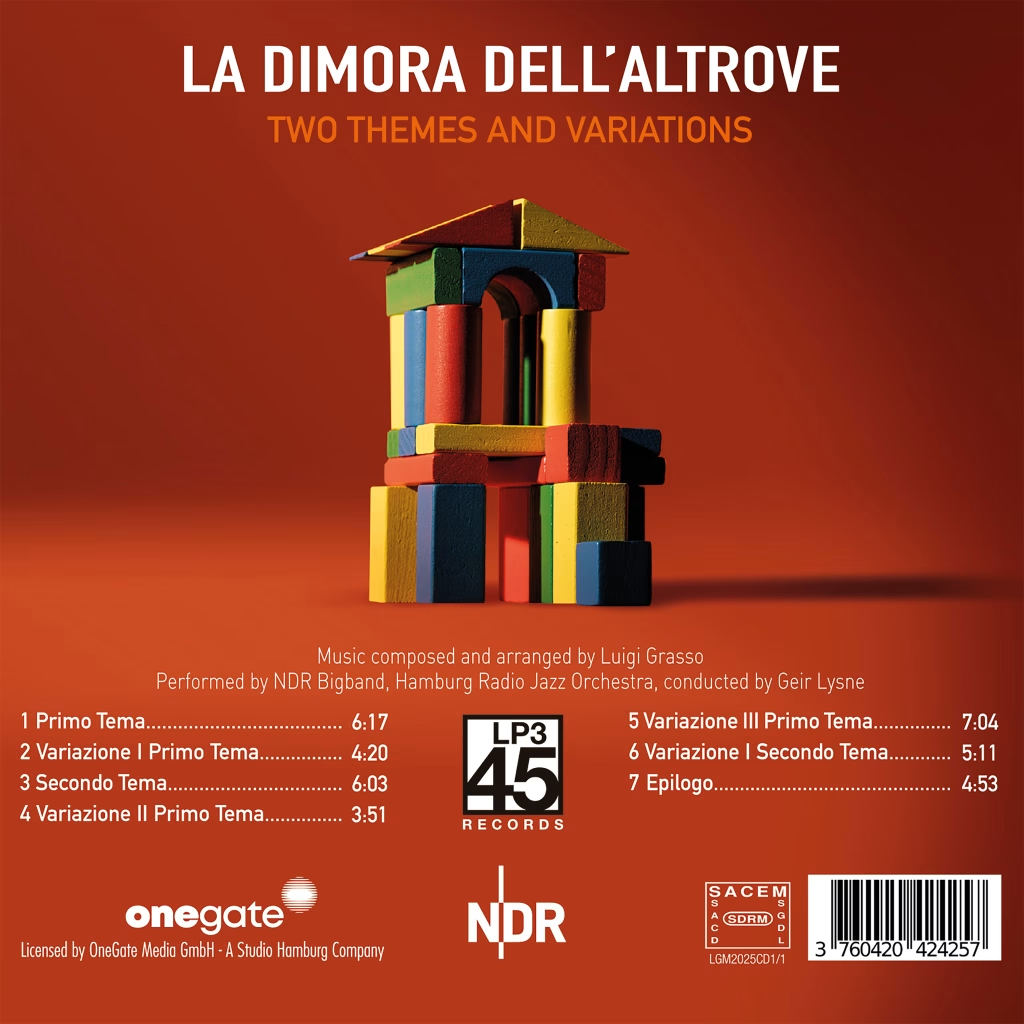
The album begins with Primo Tema, introduced through suspended voicings that recall Gil Evans before sliding into a 6/8 groove. Grasso’s soprano solo sets the mood: searching, fluid, but never overpowering the ensemble. Already, the balance between personal expression and orchestral design is evident. The first variation strips away the pulse, leaving space for Percy Pursglove’s muted trumpet. His rubato phrasing, moving from tightly enclosed sound to a broader open tone, suggests both homage to Miles Davis and a renewal of the language for a contemporary context.
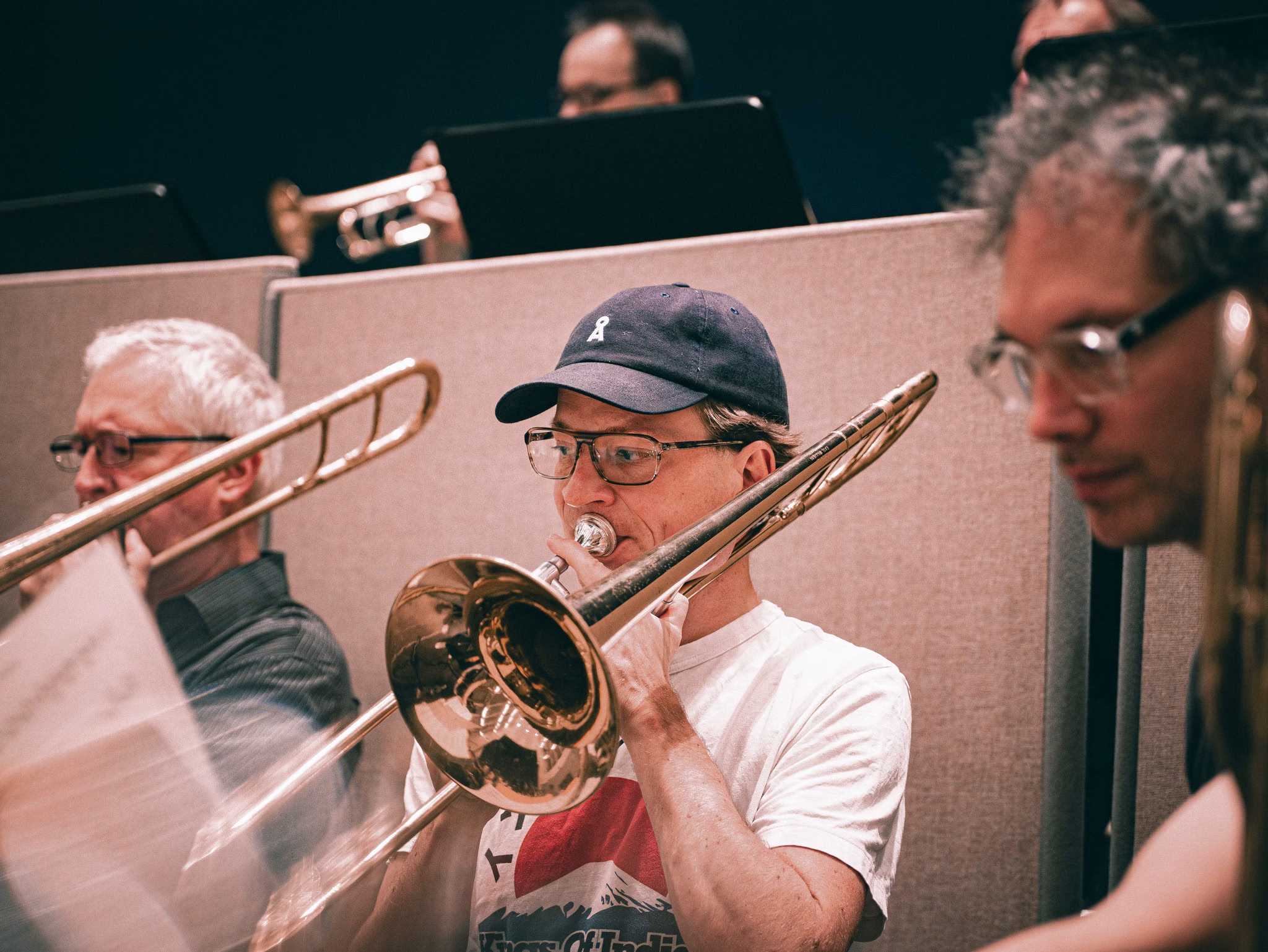
Secondo Tema shifts the atmosphere with a 5/4 groove tinged by Latin accents. Fiete Felsch’s flute and Klaus Heidenreich’s trombone carry the melody, while the saxophone section’s tight voicings anchor the arrangement. Grasso’s baritone solo digs into the rhythmic core, his phrasing grounded and full-bodied, contrasting with the more ethereal flute.
Variations and contrasts
Variazione II Primo Tema draws the music back into a mysterious space, with Julius Gawlik’s clarinet framed against Marcio Doctor’s delicate percussion and a piano counterline that recalls chamber textures. The writing here emphasizes Grasso’s control of dynamics and his ability to create intimacy within a large ensemble context.
Momentum returns in Variazione III Primo Tema, driven by a sharp 11/8 groove. Sandra Hempel takes center stage with a modern guitar solo that cuts through the ensemble, followed by Frank Delle’s tenor, which adds warmth and breadth to the saxophone family sequence. Jochen Rückert closes with a driving drum feature, his ability to combine flow and muscle underscoring why he is such a vital presence across the album.
Closing arcs and unresolved journeys
Variazione I Secondo Tema opens with pianist Florian Weber’s bass-line figure, spun into an improvisation that moves seamlessly between rhythm and rubato impressionism. Grasso follows with an alto cadenza that folds classical arpeggiation into jazz phrasing, capturing the dual identity at the heart of the project.
The Epilogo gathers these threads into a fast-paced conclusion. Grasso and Rückert share the final spotlight, the alto soaring over Rückert’s propulsive drive and lush orchestral voicings. Yet the piece resists closure: instead of a tonic resolution, the music ends with openness, leaving the tension between Heimweh and Fernweh unresolved.
Final thoughts
La Dimora Dell’Altrove shows Luigi Grasso’s evolution from a prodigious altoist to a composer of large-scale vision. The NDR Bigband proves an ideal partner, its soloists adding character while the ensemble as a whole delivers his complex writing with clarity and power. It is a work that connects past and present, jazz and classical, personal voice and collective sound. More than a meditation on homesickness and wanderlust, the album affirms the vitality of the big band as a form still capable of narrative depth and emotional resonance.